
The most useful trade-data release of the week came from Geneva.
The World Trade Organization's Trade Barometer, a composite leading indicator of global goods trade, registered 101.7 in April. Down slightly from 102.3 in January. But still above 100, which means trade growth is running faster than its multi-decade average. Despite the Gulf disruption. Despite the tariff uncertainty. Despite the consumer-sentiment readings.
For an industry that finances cross-border trade, this matters. The institutional measure confirms what practitioners have been seeing in their books: the underlying business is not just holding up but expanding faster than its long-term trend.
One component of the barometer stands out. Electronic components. The WTO says this measure has risen firmly above trend. The named driver is investment in artificial intelligence. The boom is showing up directly in cross-border component shipments, mainly out of Asia.
The downside scenario is also named. If the Hormuz disruption continues and energy prices stay elevated through 2026, the WTO expects trade growth to slow to 1.4% for the year, from 4.6% in 2025. That would be a meaningful step down, but still positive. Trade does not stop. It moderates.
The week's other releases either confirm the WTO's read or fill in the picture around it.
Capital in. Goods out.
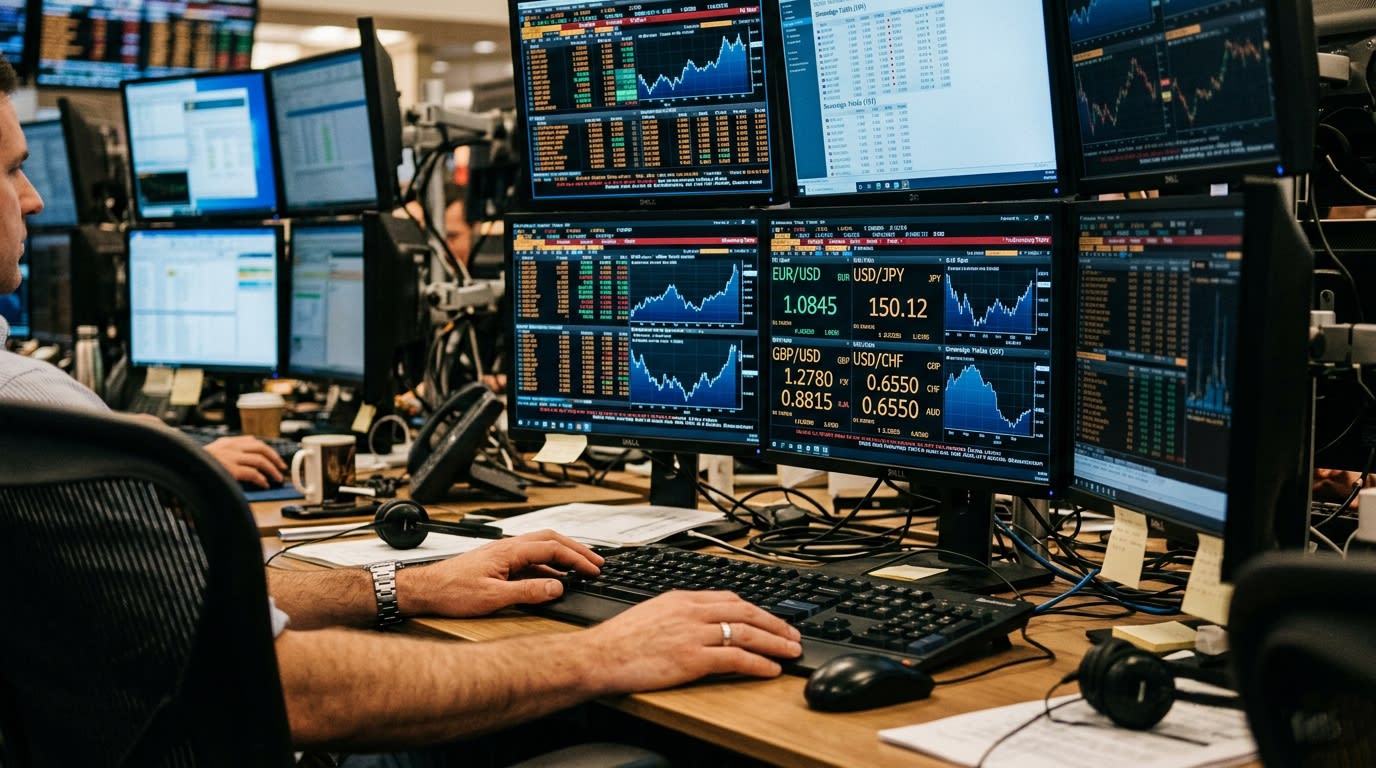
The trade flow the WTO is measuring is being financed by a capital flow that has taken an unusual shape this year.
One technology company, Alphabet, has issued bonds this year in six different currencies: US dollars, Canadian dollars, Japanese yen, euros, Swiss francs, British pounds. Including a rare 100-year sterling bond. The five US hyperscalers collectively have issued $159 billion of bonds globally in 2026 to date. Up from $108 billion last year. Up from just $17 billion in 2024.
Total AI infrastructure spending projected for 2026 exceeds $670 billion. A larger share of GDP than the railway expansion of the 1850s.
For trade finance, this is the capital flow behind the trade flow the WTO measures. International investors are funding US infrastructure in their local currencies. That infrastructure then triggers cross-border procurement of chips, electrical equipment, structural materials. Capital in. Goods out. Two ends of the same circuit.
The pressure in the data
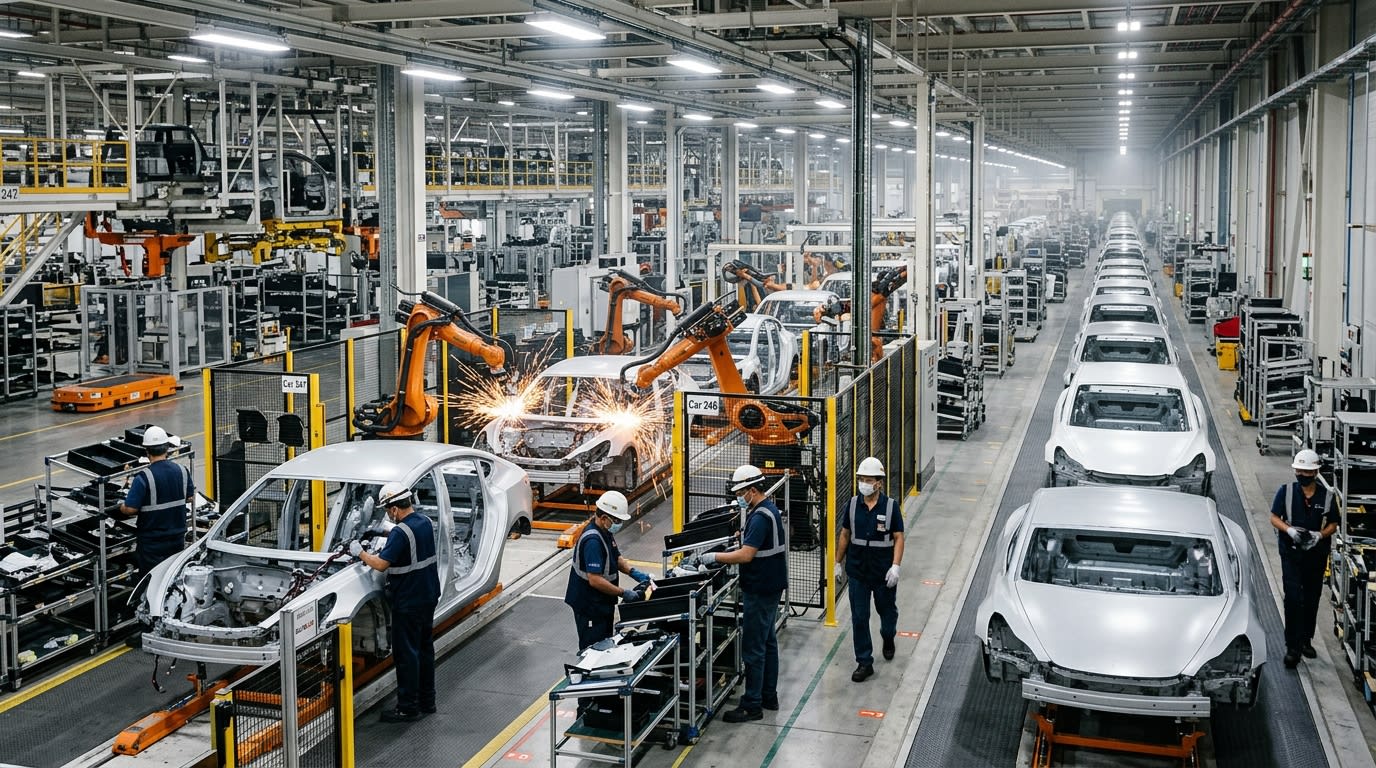
A useful illustration of how trade-defense policy and underlying export pressure relate came from China this week.
Retail passenger car sales in China fell 22.1% year-on-year in May. The home market is weak. Auto exports remained strong: 784,000 vehicles shipped abroad, of which 54% were new-energy vehicles. A record share.
When a home market weakens, manufacturers push harder abroad. That is what is showing up in the data.
This is the pressure that recently announced trade-defense mechanisms in the European Union and the United States are responding to. The mechanism is reactive. The pressure is in the export data.
One driver of the home-market weakness is also worth noting: high fuel prices eroding demand for gasoline-powered cars. The Gulf disruption identified by the WTO is showing up in Chinese consumer behavior, not only in oil flows.
The Fed pivot

The US labor market posted its third strong month in a row. 172,000 jobs added in May, more than double the 80,000 analysts expected. Unemployment held at 4.3%. Three-month payroll average 188,000, the strongest hiring pace in over two years.
The shift in monetary-policy expectations is now clear. The question is no longer when the Federal Reserve will cut interest rates. It is whether the Fed will raise them by year-end. Treasury yields climbed on Friday's release; trader expectations have shifted accordingly.
For trade finance, this matters in two specific ways. A stronger US dollar makes US imports cheaper for American buyers, harder for exporters into America. And higher dollar funding costs squeeze borrowers across emerging markets, where dollar-denominated trade finance is widespread.
One caveat from inside the data: wage growth ran at 3.4% in May, cooling from 3.6% in April. With energy prices rising, that is a continued squeeze on household purchasing power. Especially relevant for consumer-goods exporters into the US market.
Also worth noting
Two operational and regulatory stories from the week sit a little apart from the trade-data picture but are worth flagging for the industry.
Companies are deploying artificial-intelligence agents into their workflows. Each agent gets the same data access as the employee who set it up. The cybersecurity industry now uses a phrase for this: millions of synthetic employees. The risk works two ways. Agents can be tricked by hackers using deceptive prompts, or simply misconfigured to leak data on their own. Last month, a Pennsylvania community bank disclosed in a securities filing that one of its AI agents had been unlocking customer Social Security numbers and dates of birth. The breach was deemed material. Nearly 80% of organizations worldwide have experienced some form of insider-related data loss in the past two years. Document processing, customer-data handling, and transaction monitoring are all increasingly AI-assisted in trade finance. All exposed to a new category of insider threat.
The regulatory thinking on data-driven pricing is hardening fast. A recent Consumer Reports / Groundwork study had 400 shoppers log onto a grocery app at the same time with identical carts from the same stores. Three-quarters of products showed different prices for different shoppers, with variations up to 23%. The response has been more than 50 US state bills in 2026 addressing algorithmic pricing based on personal data. Maryland banned it for food retailers in April; New York requires disclosure since November 2025; California is debating a full statewide ban. The direction is from disclosure to prohibition. Trade finance pricing is built on counterparty data and algorithmic credit scoring. Regulatory principles, once established, rarely stay confined.
What we are watching
A global economy more resilient than its headlines suggest, with one technology investment cycle doing more of the work than the rest of the economy combined. The named risks are also visible: a Gulf disruption that extends further into 2026, a Fed pivot that strengthens the dollar against emerging-market borrowers, and an algorithmic infrastructure that creates new regulatory exposure and new operational risk.
For the week ahead: the European Central Bank meets on Thursday. The post-meeting communication will be the first read on whether European monetary policy is also moving toward tightening, or holding the diverging path it has been on.
Watch the Gulf. Watch the Fed. Watch the ECB.