
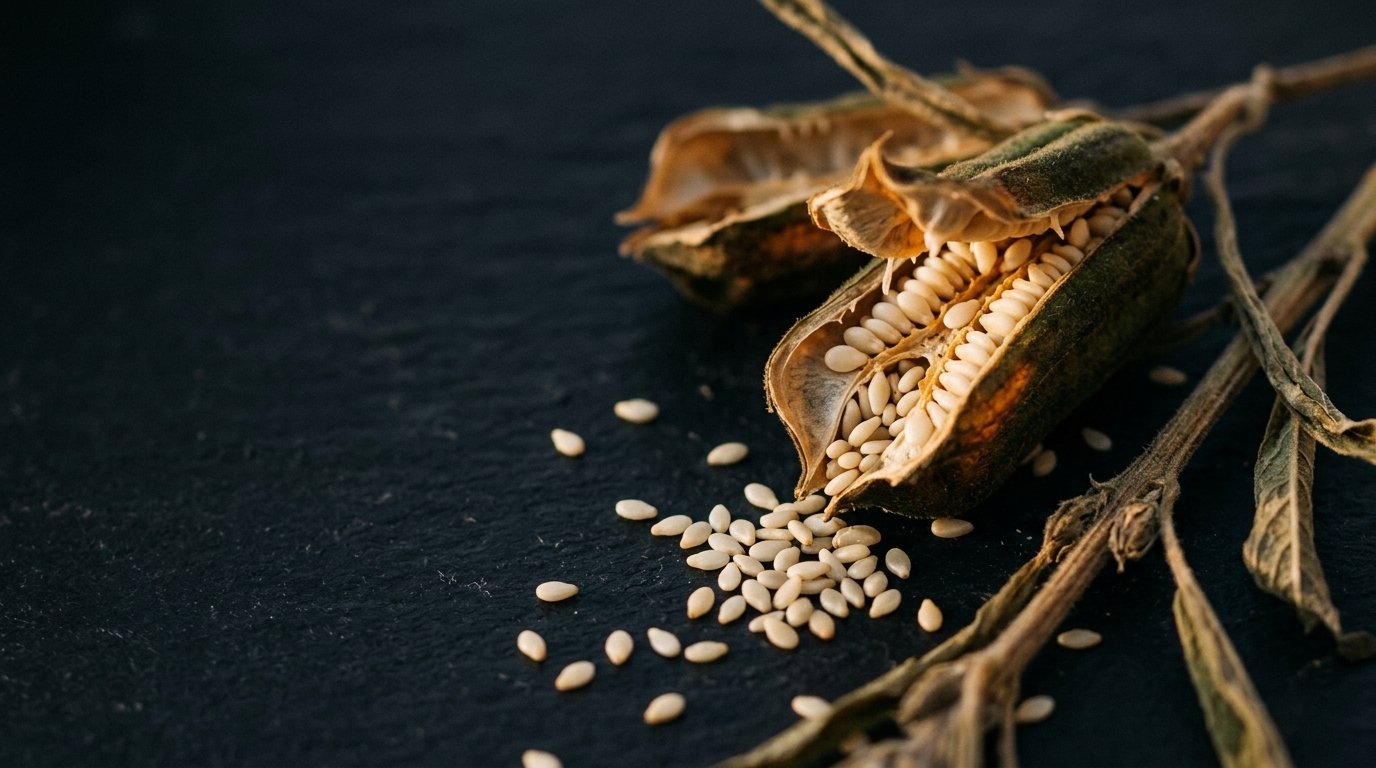
The Sesame Trade Map
People have traded sesame for more than 4,000 years. In less than 10 years, Brazil became a major exporter. In 2025, China started to buy Brazilian sesame, and prices fell. We follow sesame from the farm to the bottle of oil, with a trade map, a harvest and festival calendar, and the points where traders need cash.
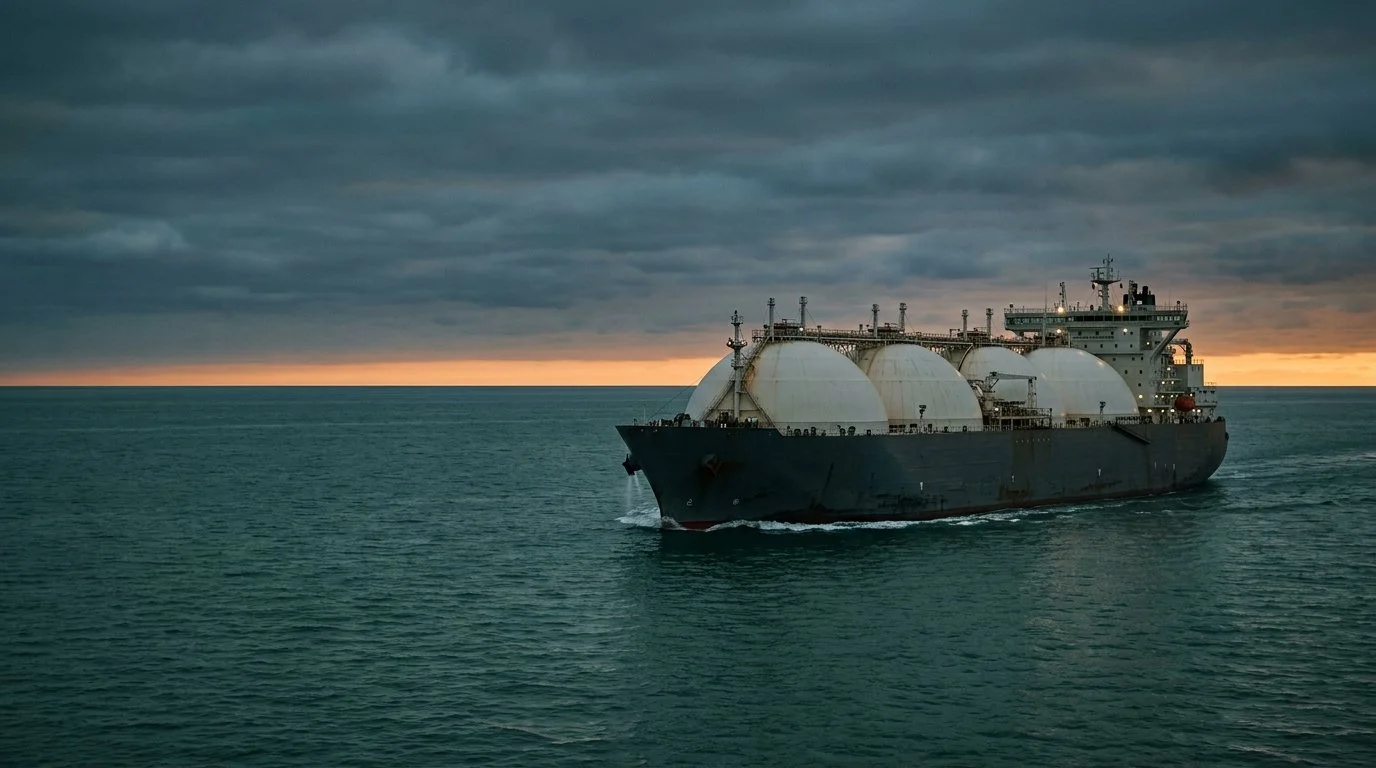
Who Depends on Hormuz for LNG
Asian spot LNG is at $25 to $26 per mmbtu, Europe's gas storage is the lowest on record, and central banks are raising rates again. Using UN Comtrade data, we trace who depends on Hormuz for LNG and where the squeeze ties up cash for buyers, traders and lenders.
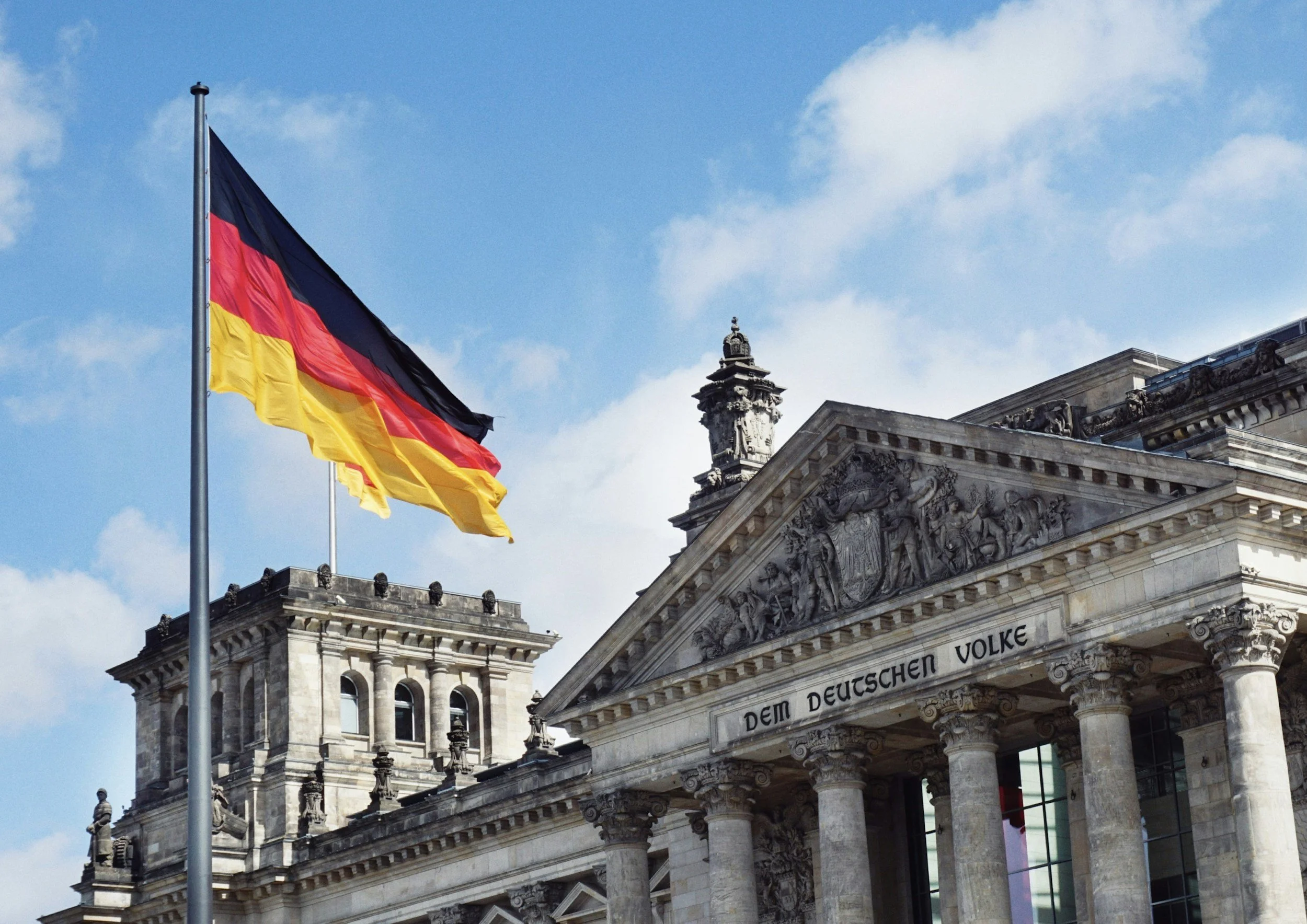
German Business Confidence Rises, Households Want to Save
German business confidence is at its highest since May 2023, while German households' willingness to save has reached a level last seen in 2008. US consumer sentiment fell, and Canadian retail sales fell in July. We set out what six releases from one week show, and what they mean for trade finance.
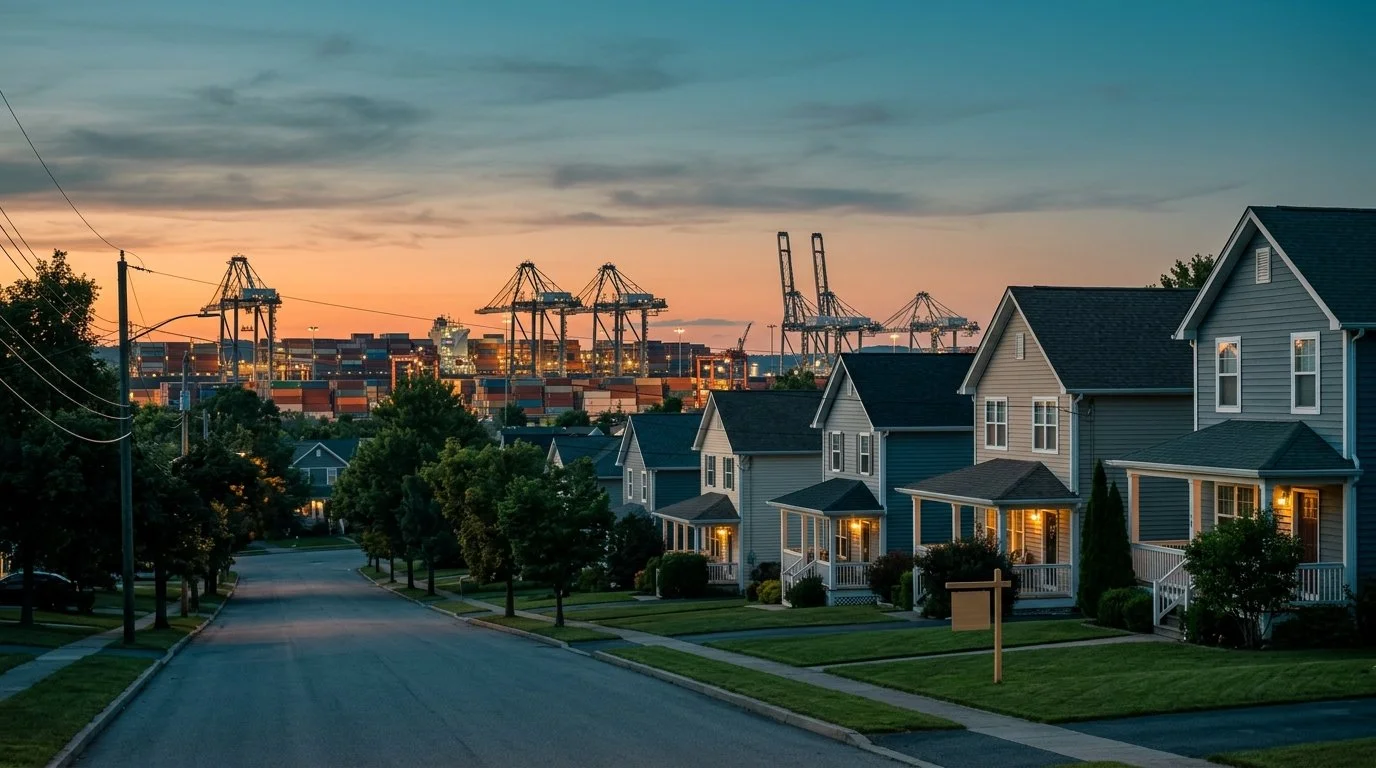
Mortgage Rates at 7% and the Cost of Trade Finance
US home loan rates passed 7% this week. Here is what that means, in plain terms, for households, the housing market and the cost of financing goods on the move.
Fed Rates and Holiday Trade
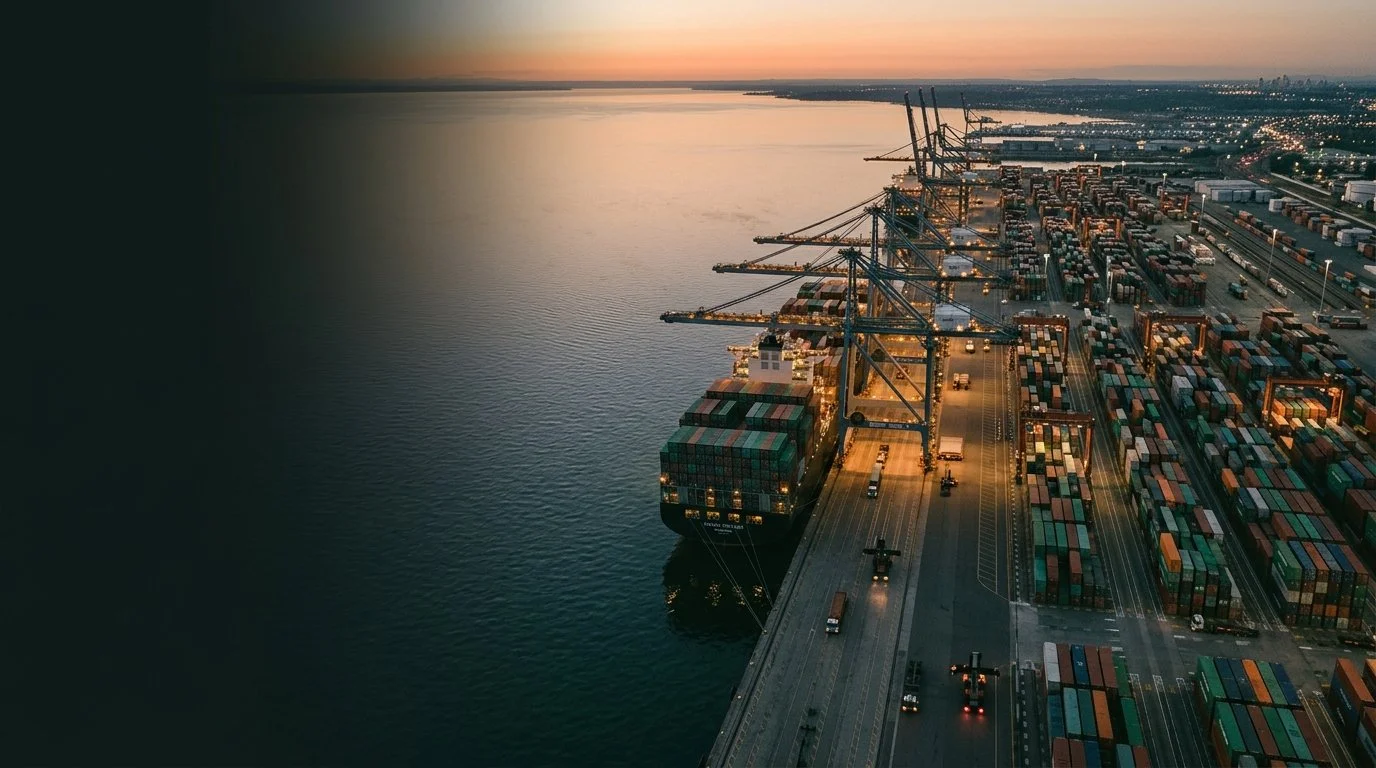
The Federal Reserve raised rates in September, and markets now see about a 75% chance of another increase in October. With the dollar at a two-month high and oil above $100 a barrel, here is what it means for financing holiday stock, supplier margins and prices in 2027.
The Rerouted Tyre
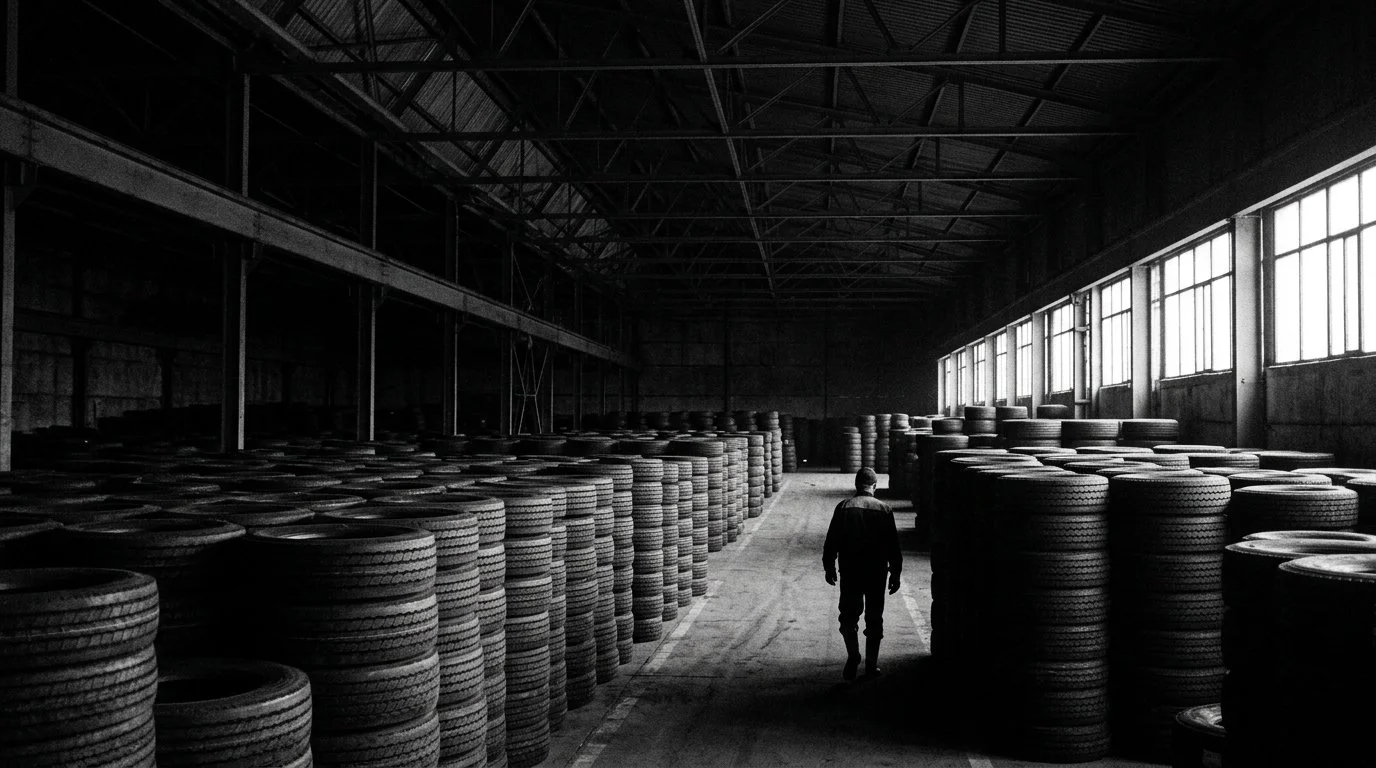
This is a study of the global trade in new tyres: who exports them, who buys them, and how import duties have redrawn that map since 2018. The finding is simple. Duties have not reduced the trade. They have moved it, creating new supplier countries and removing old ones within a few years. Europe imposed new duties on Chinese tyres in July 2026, so the map is about to move again. This article shows how, using the trade filings of every country on both sides of every route.
India’s Ethanol Program
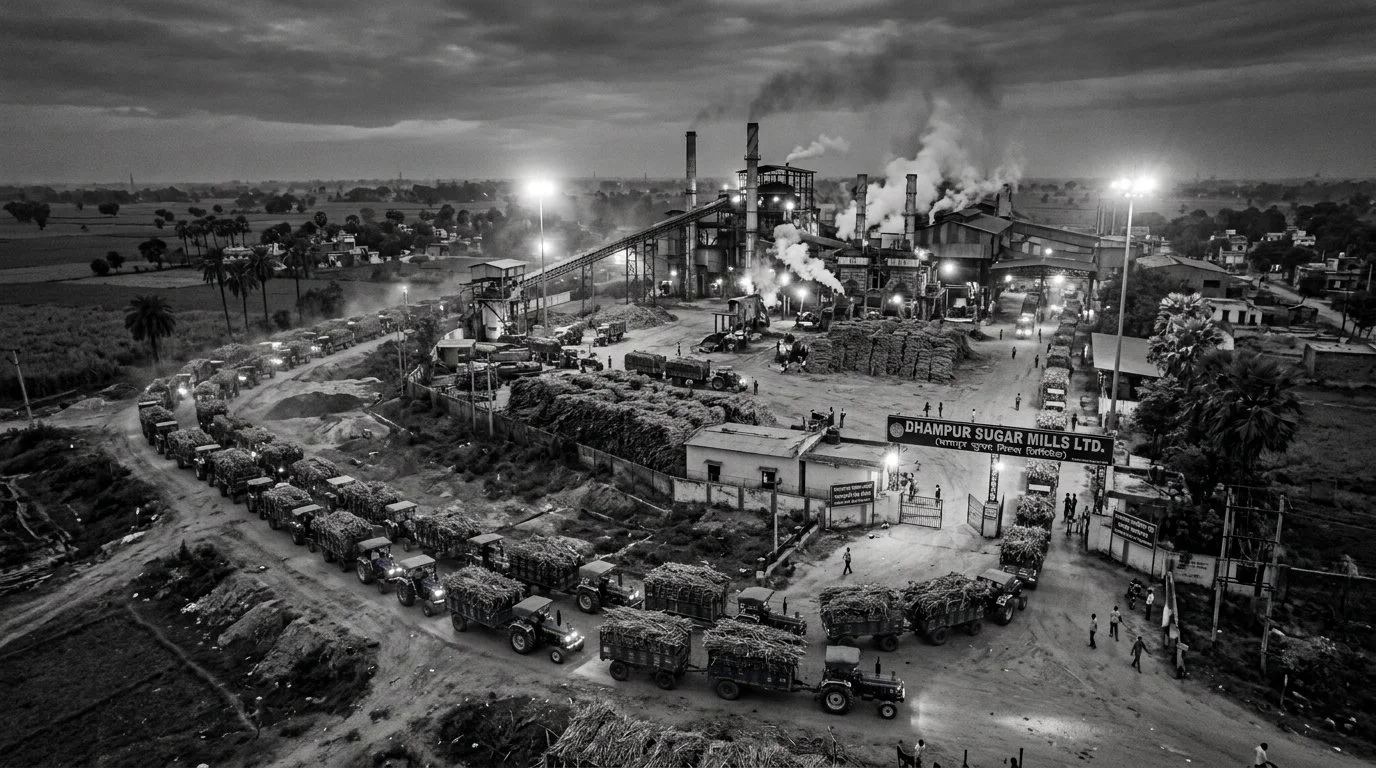
India's ethanol program reduced its Persian Gulf exposure. Brazil captured the sugar corridor India left behind. Both benefit from firm crude prices; buyers absorb the corridor risk.
Falling oil prices won't fix working capital pressure.
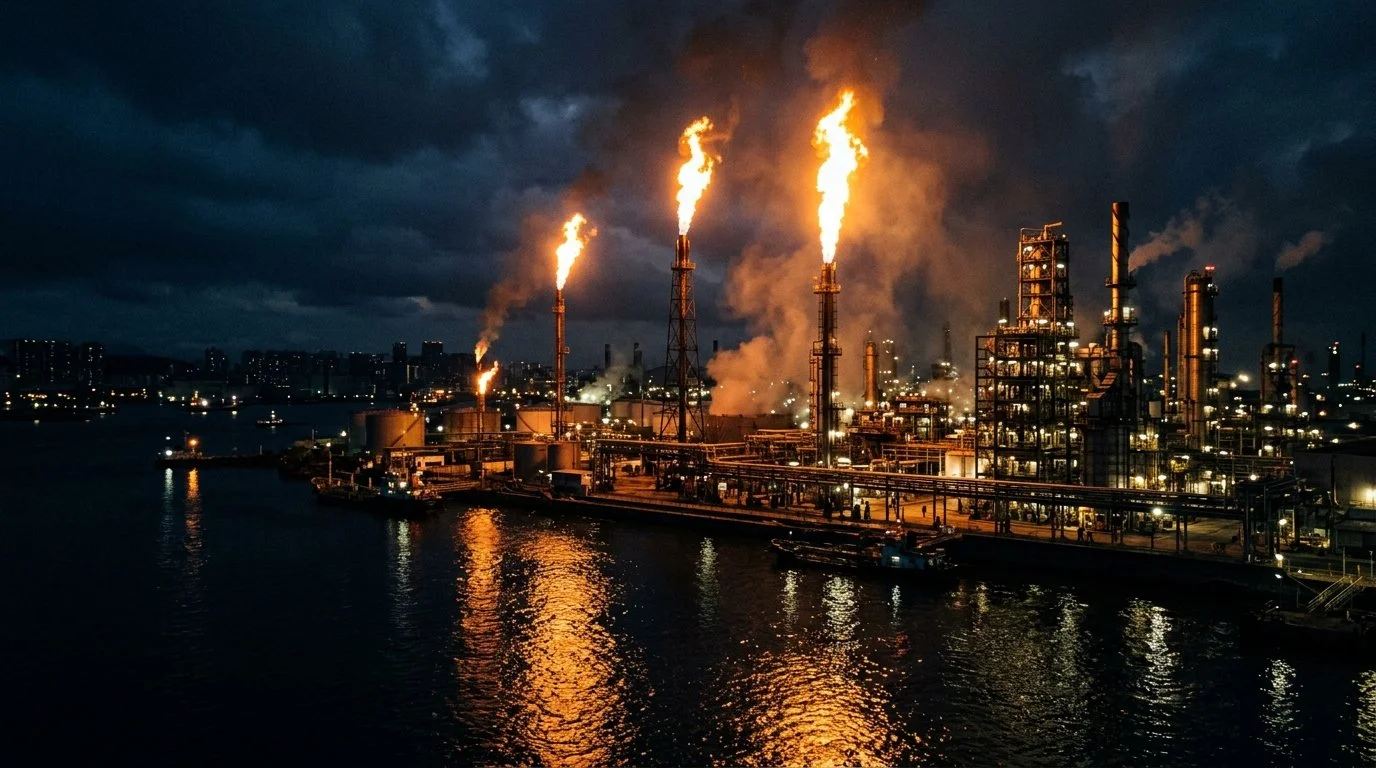
Crude is near $97 a barrel and jet fuel has roughly doubled since February 2026. Institutional forecasts have prices moderating by late 2026, with a market surplus in 2027. Between now and then, CFOs financing aviation, tourism, and the suppliers around them face higher freight costs, slower receivables, and a rate environment that has shifted under their existing facilities. The Ossiano Research Desk walks through the four shock layers, the corridor variable, and what it means for working capital through 2026.
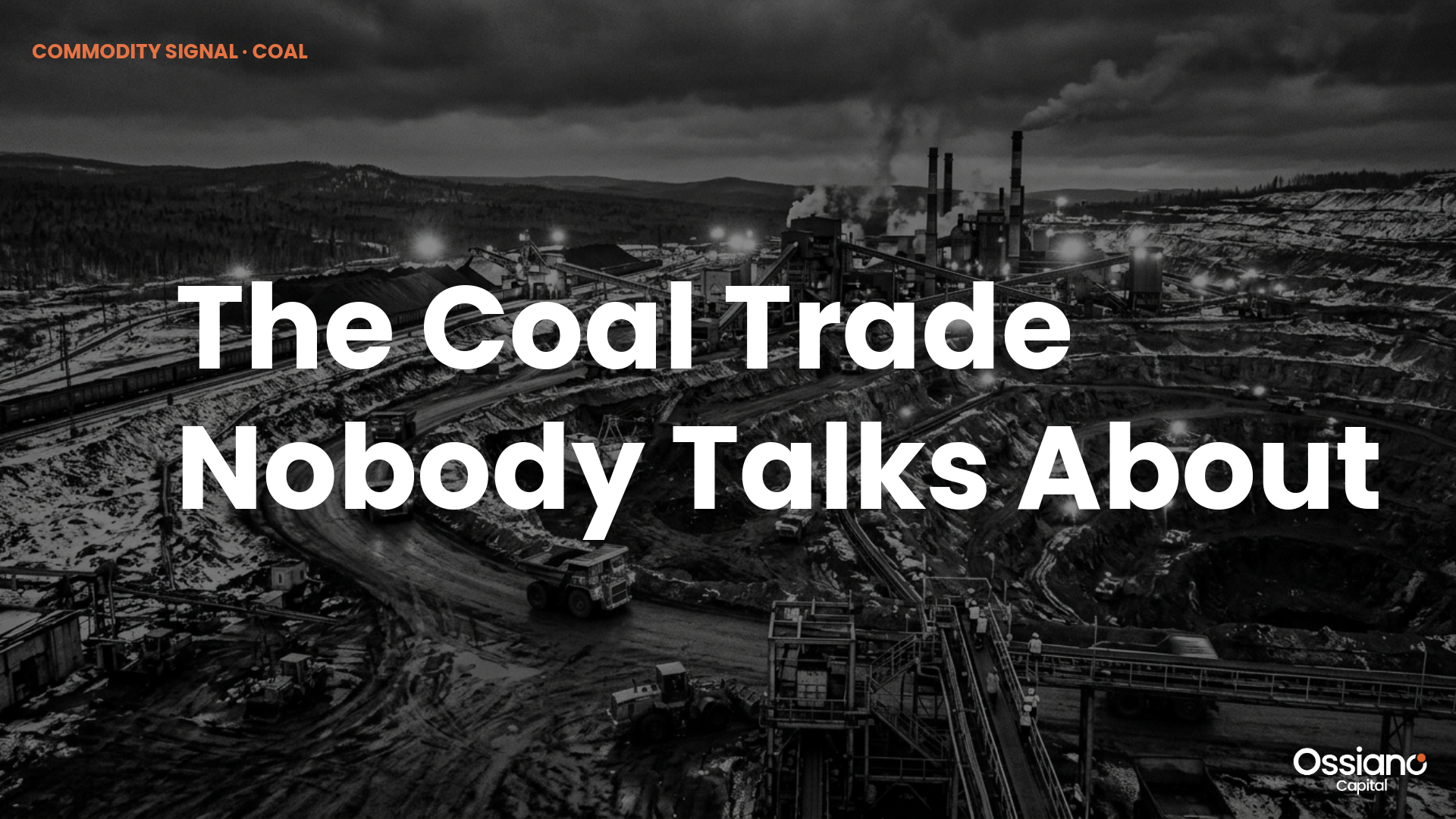
The Coal industry in 2026
Coal prices have fallen from the 2022 peak. Russia is one of the reasons: it sells at a discount to four buyers in Asia and Türkiye. Oil is unstable. If countries turn back to coal, or if a trade deal moves one of those buyers off Russian supply, demand shifts to Australia, Indonesia, and the United States.
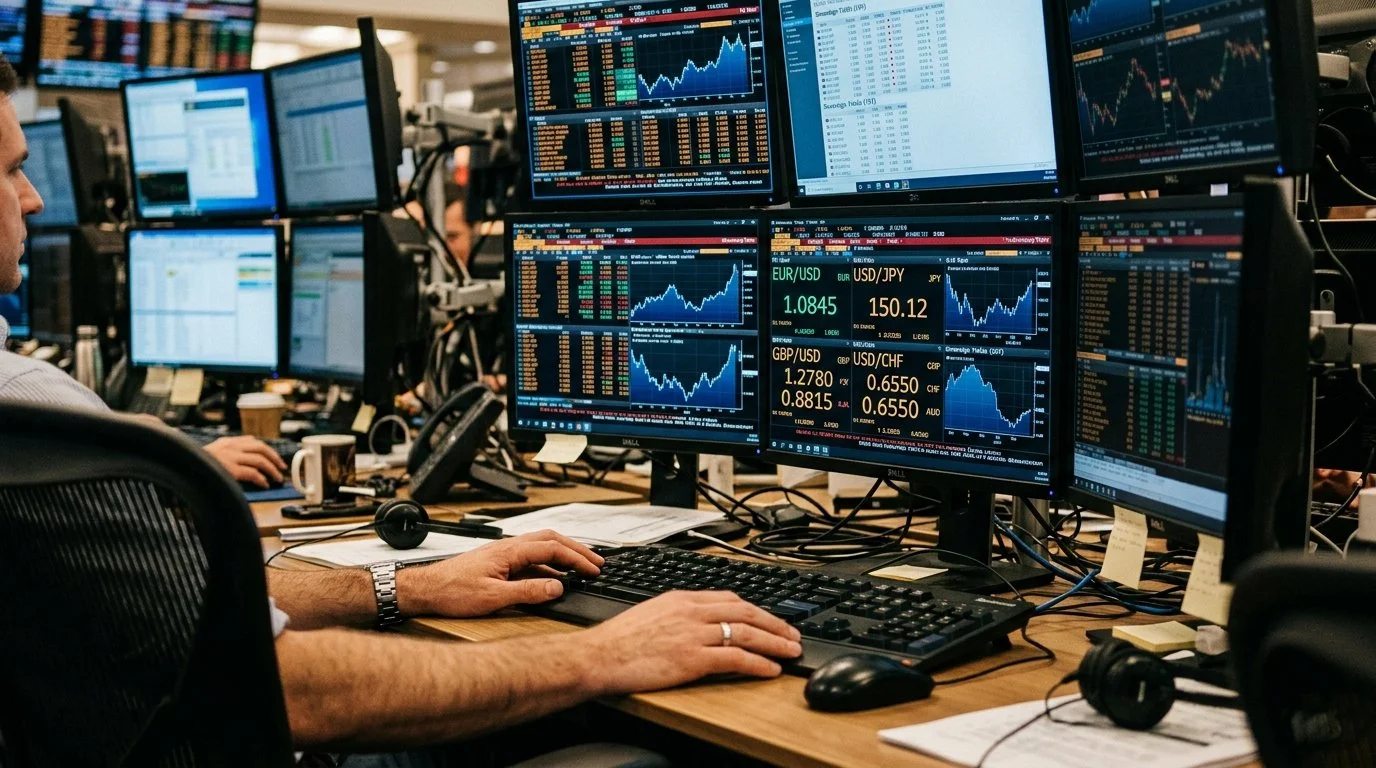
Above Trend, Still
The World Trade Organization's Trade Barometer, a composite leading indicator of global goods trade, registered 101.7 in April. Down slightly from 102.3 in January. But still above 100, which means trade growth is running faster than its multi-decade average. Despite the Gulf disruption. Despite the tariff uncertainty. Despite the consumer-sentiment readings.
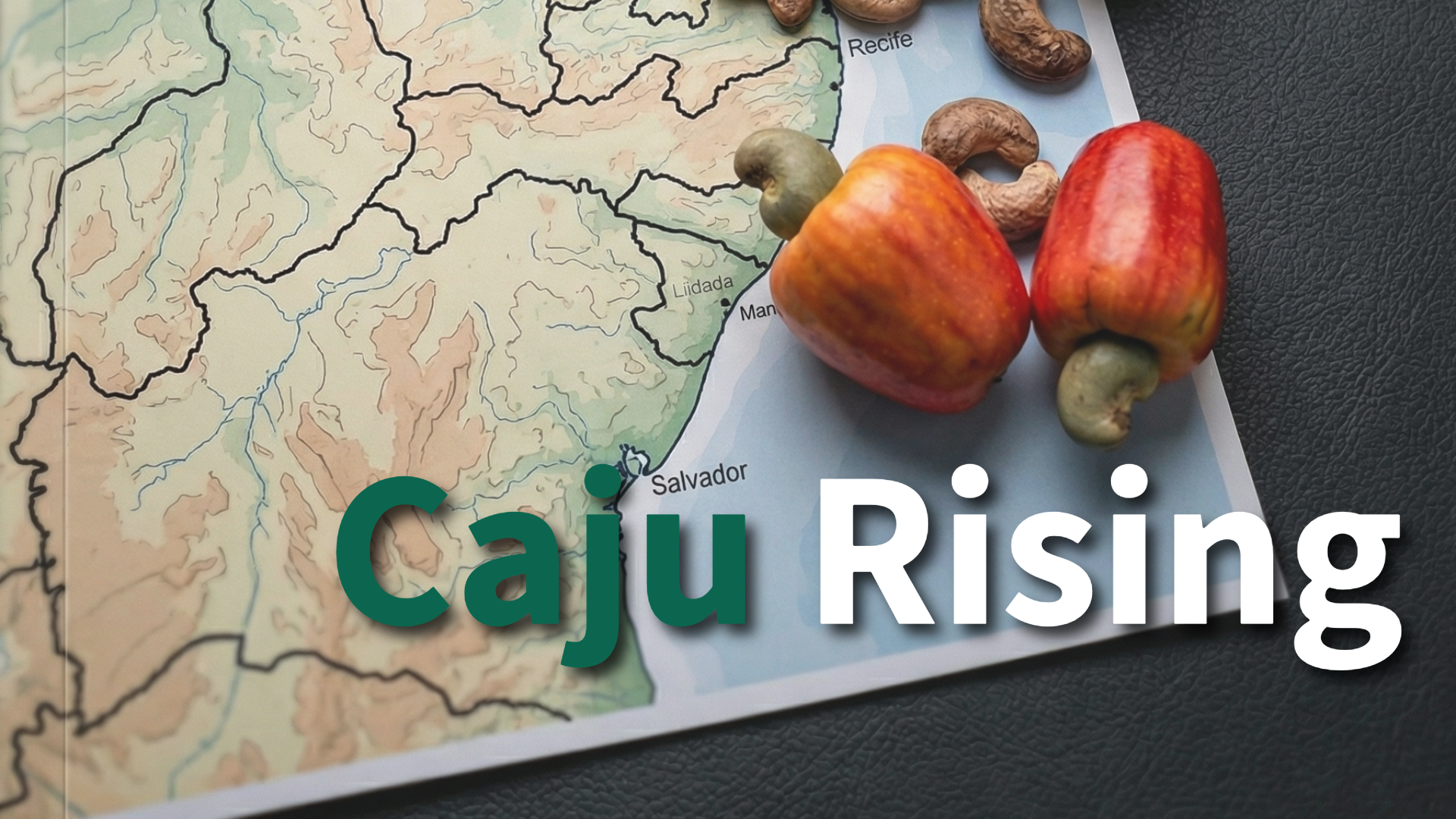
The Quiet Revolution
Most people do not know that Brazil introduced cashew to the world. Fewer still know that 88% of the cashew apple — a fruit produced in quantities of 2.7 million metric tonnes annually — is discarded as waste every harvest season. Inside the cashew belt of Brazil's Northeast, something significant is being rebuilt. New orchard varieties. New processing models. A carbon credit programme that could generate millions for the region by 2030.Brazil gave the world the cashew. Now it is reclaiming its place in it.

The Roller Coaster in Your Coffee Cup
The "specialty" in specialty coffee is being tested by a system designed for high-volume commodity giants. For the mid-market manufacturer, survival depends on finding a partner who understands that Time is the only true hedge.

If Your Business Touches Energy, This Week Has Created Real Opportunity
If your business is benefiting from the current energy price environment, now is an ideal time to explore how your improved credit position could be structured into a supply chain finance program — protecting your supplier base and locking in supply chain resilience before market conditions shift again.
Interest Rates Aren't Coming Down Yet. Here's How to Protect Your Working Capital.
With rates staying higher for longer and cost pressures building, it's a good moment to map out your full working capital cycle — from when you pay suppliers to when customers pay you — and identify where trade finance tools could release cash that's currently sitting idle in that gap.
Your Suppliers Are Feeling the Pressure. Here's What You Can Do About It.
With oil at $118 a barrel and supplier cost pressures rising, now is a smart time to review whether your current payment terms are putting strain on your supply chain — and whether an early payment solution could protect both your suppliers and your own continuity of supply.