
Trade credit insurance
Trade credit insurance pays an exporter most of an unpaid invoice when a foreign buyer fails to pay for a covered commercial or political reason. The exporter pays a premium and keeps a small share of each loss.
Demand guarantee (bank guarantee)
A demand guarantee is a bank's promise to pay the other side of a contract on a demand that meets its terms. The beneficiary gets cover from a bank. The applicant carries the risk of a demand it disputes.

KYC in trade finance checks the counterparty, owners and goods, with ownership lines at 25 and 50 percent
Know your customer means identifying and verifying customers and their beneficial owners. US banks list every owner with 25 percent or more, and OFAC treats a company owned 50 percent or more by blocked persons as blocked.
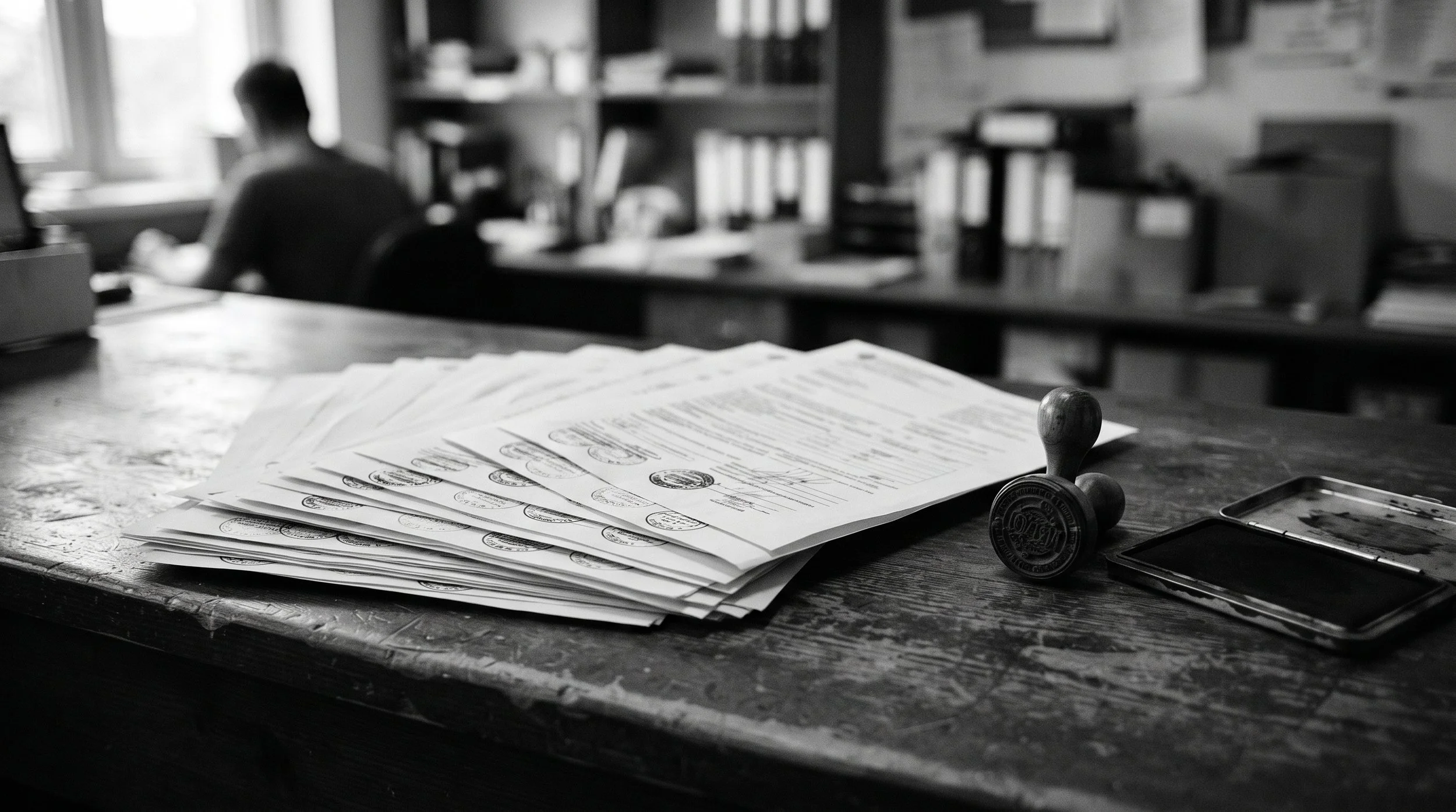
Every trade runs on a short stack of documents, and under a letter of credit the bank pays against the paper
Shipping documents such as the commercial invoice, bill of lading, certificate of origin and insurance certificate let the importer take delivery. Under a letter of credit, banks check them against the credit, UCP 600 and ISBP within five banking days.

The bill of lading is receipt, contract and document of title, and an order bill's holder holds the cargo claim
A bill of lading is issued by a carrier as a receipt for goods. It is also a carriage contract and a document of title, and the holder of a negotiable, or order, bill holds the claim to the cargo.
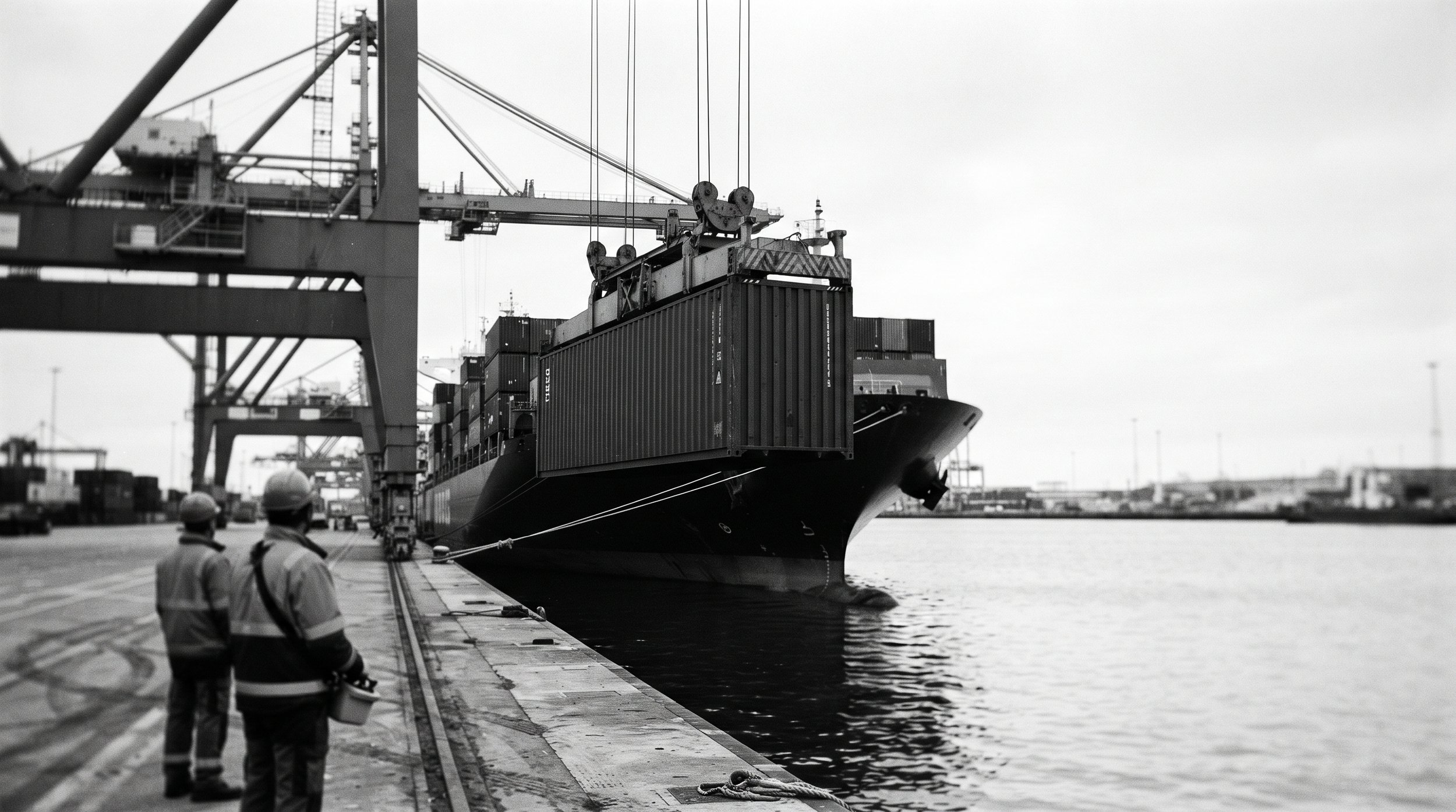
Incoterms fix where risk and cost pass to the buyer, and in the four C rules they pass at different places
Incoterms 2020 has eleven rules: seven for any type of transport and four for sea and inland waterway. Risk passes at delivery; in the C rules the seller also pays transport to the destination, though risk passed earlier.