

One ton of pulp, two prices: $1,710 or $722?
Mercer's 2025 report shows softwood pulp averaging $1,710 on list in North America and $722 net in China. Mercer says its net prices in China end up similar to other markets once discounts are taken off.
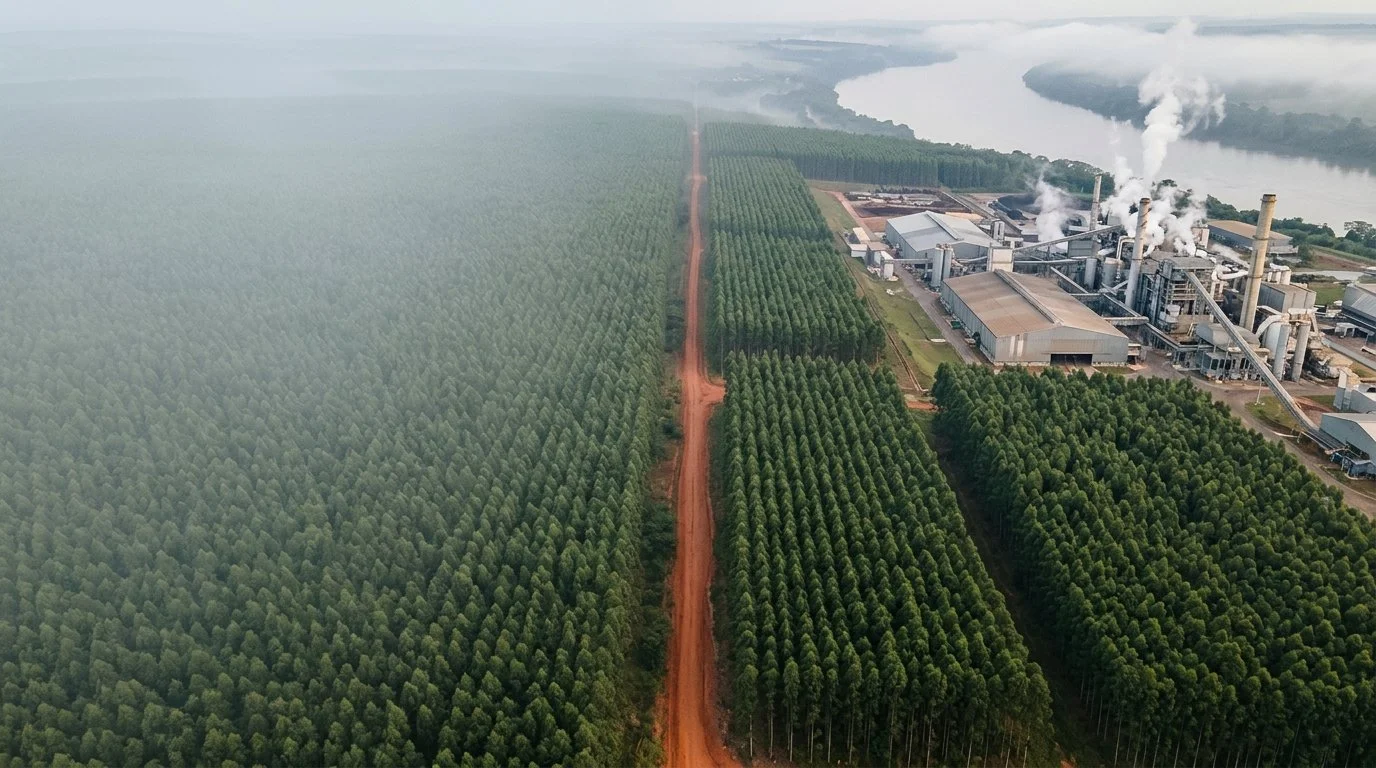
Pulp in five minutes: what it is and why the world ships 73 million tons of it
Almost 73 million tons of wood pulp crossed a border in 2024. This post explains what pulp is, what it is used for, and how it travels from a tree to a port.

The pulp trade map: who ships to whom, 2015 to 2025
In 2015 the largest pulp route was Canada to China. In 2025 it was Brazil to China, at 10.6 million tons, and seven of the ten largest routes ended in China.
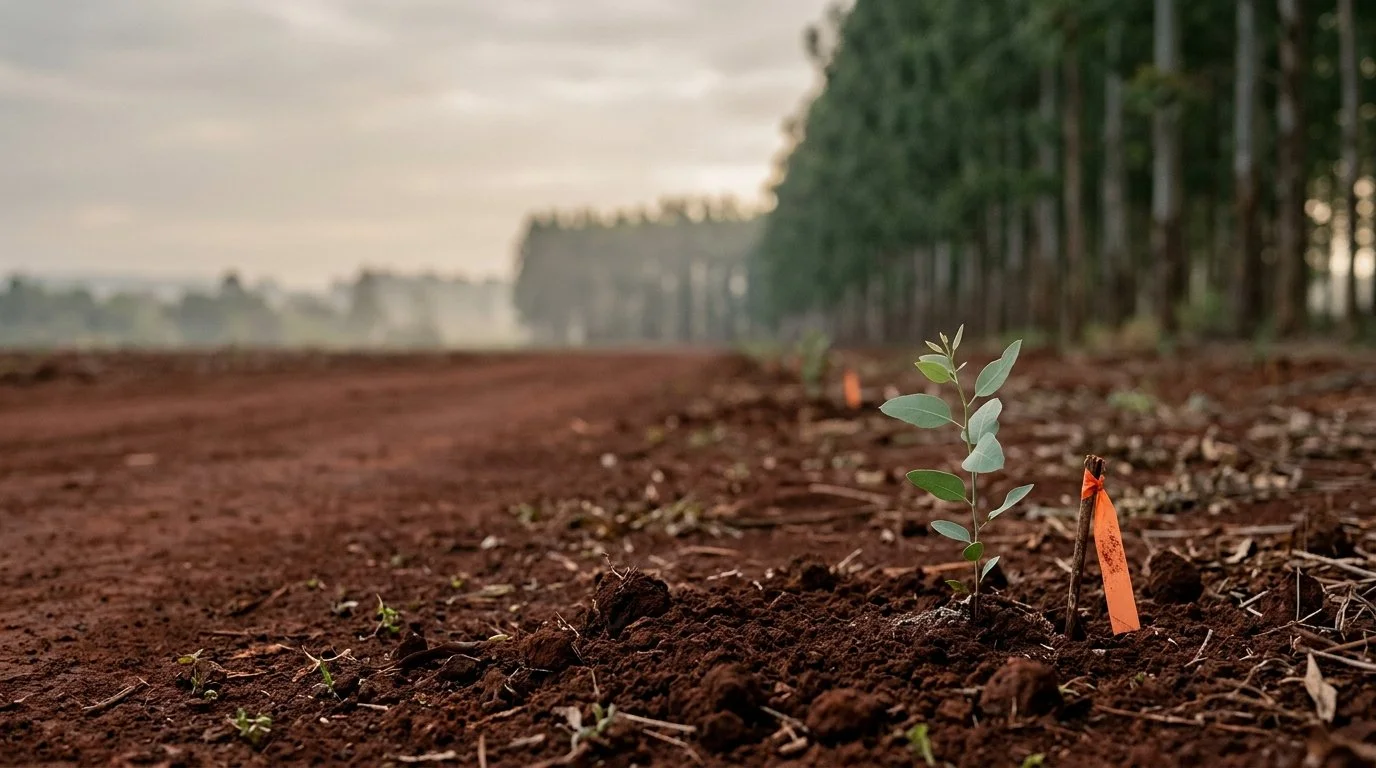
Follow one bale: from a Brazilian tree to a tissue roll in China
One 72,000-ton cargo of Brazilian pulp took from March 4 to April 9, 2024 to reach China. This post follows one bale through eight steps and shows where cash is tied up.

Why countries' pulp numbers don't match
For 2024, Uruguay's own customs filing to the UN shows one pulp entry worth $52,244. China recorded 1.64 million tons of pulp from Uruguay. This post sorts each data gap into established, plausible or unknown.
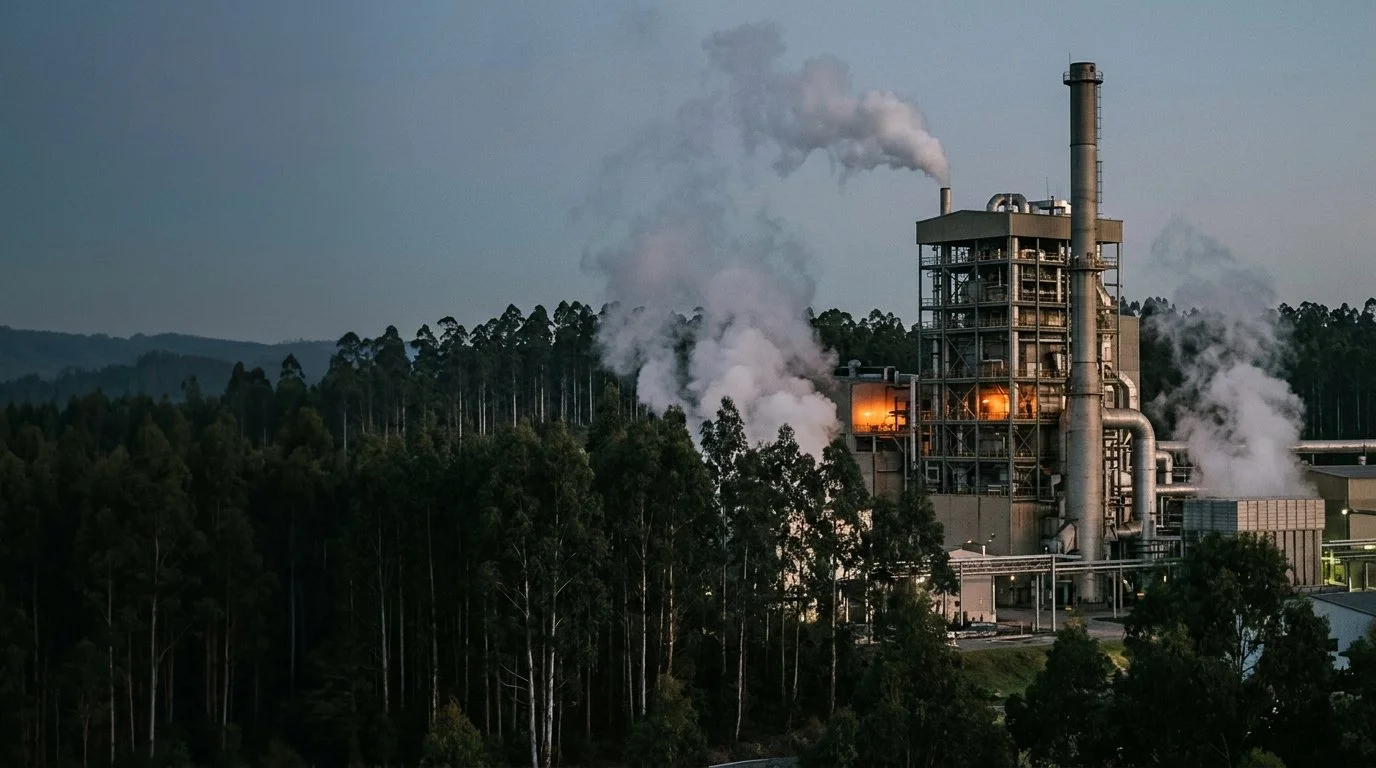
How a kraft mill works: the chemical loop that made modern pulp
A kraft mill cooks wood in chemicals, then burns the spent liquor to rebuild those chemicals. One line now handles more than 8,000 tons of pulp a day, against a 1980 view of 1,000 to 1,400.
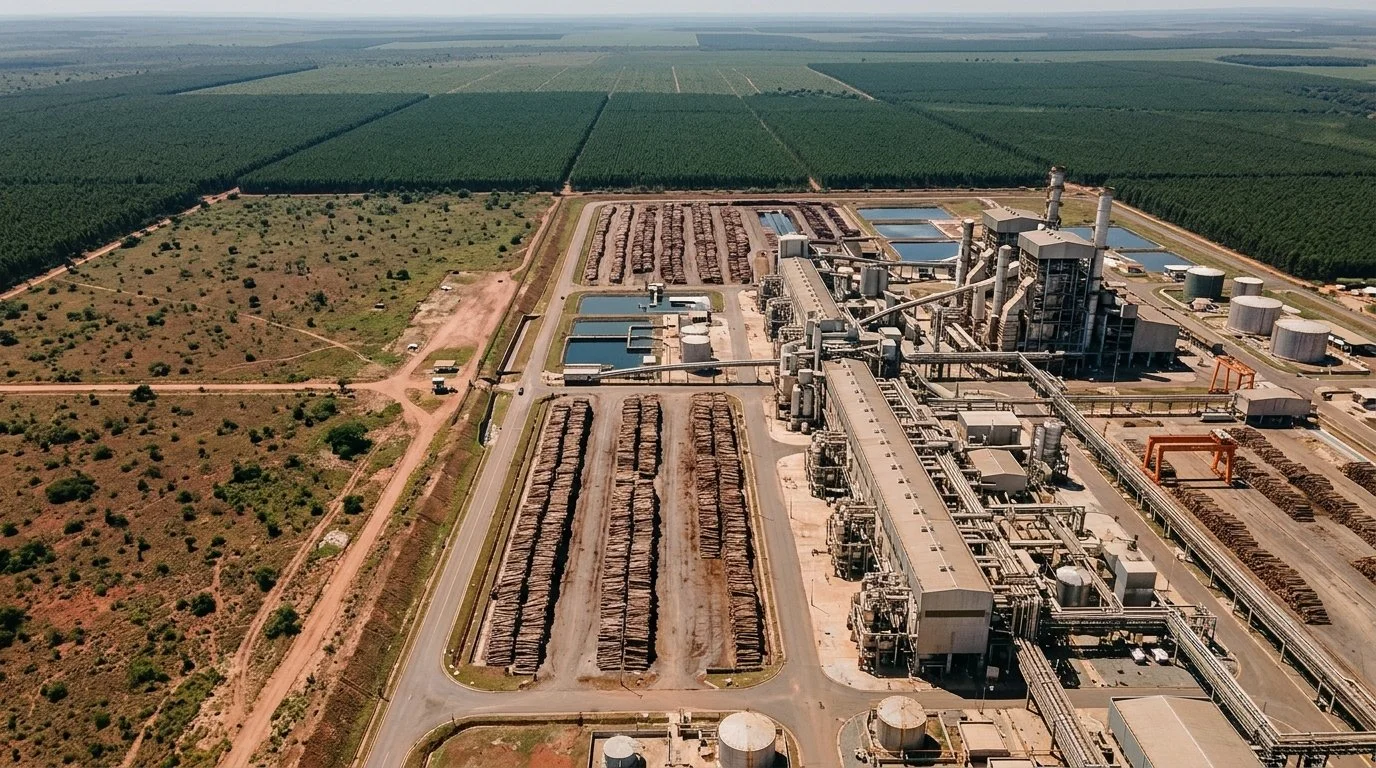
Why new pulp mills are so big
In 1980 a study put the limit for one pulp line at 1,000 to 1,400 tons a day. Suzano's Cerrado fiberline is rated at over 8,000.
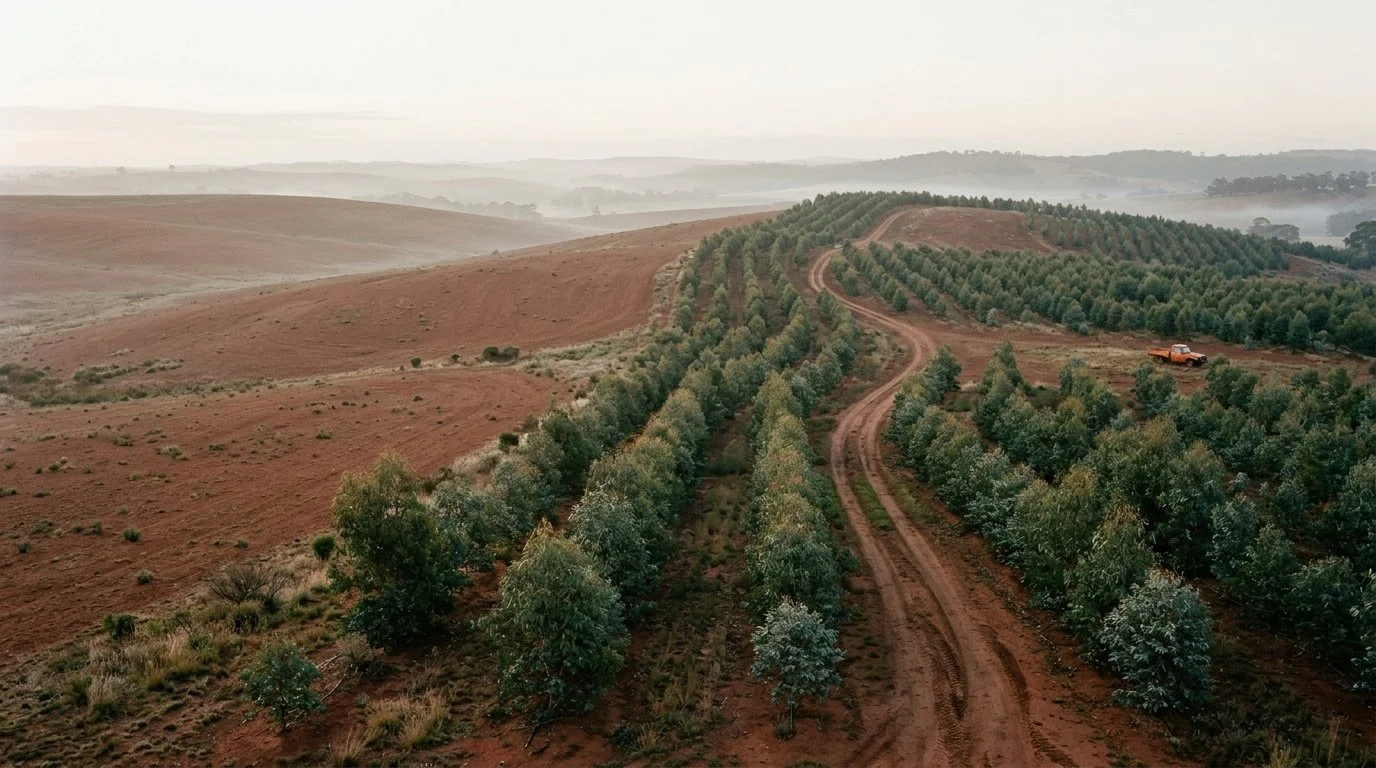
The tree race: 7 years in Brazil, 60 to 80 in Finland
The mean age of Brazil's planted eucalyptus stands is 6.8 years. In southern Finland the normal rotation is 60 to 80 years. In 2021 Brazil's pulp output passed that of Sweden and Finland combined.
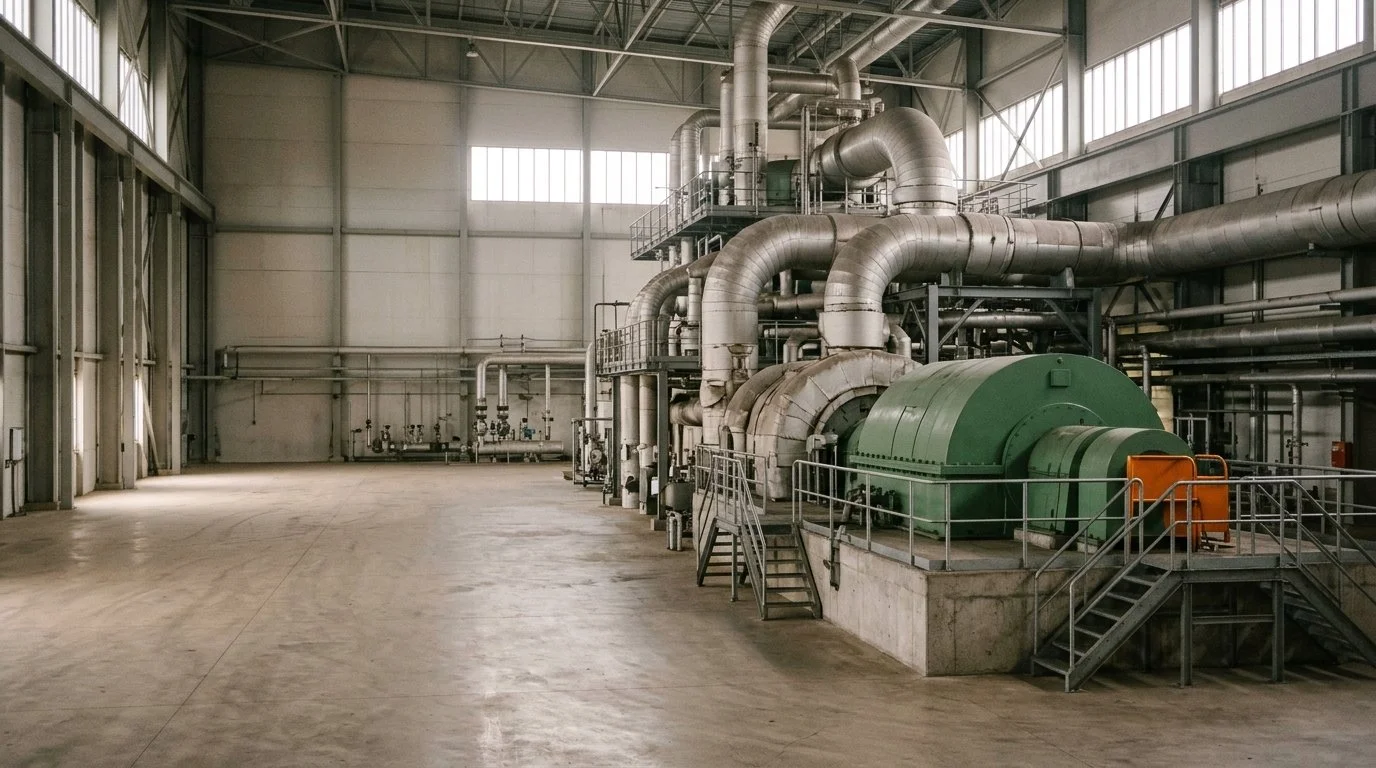
Mills that make their own power: energy, water and the recovery boiler
A modern kraft pulp mill burns the dissolved wood left over from cooking to make steam and power. Metsa says its Kemi mill generates 2.5 times the electricity it consumes.
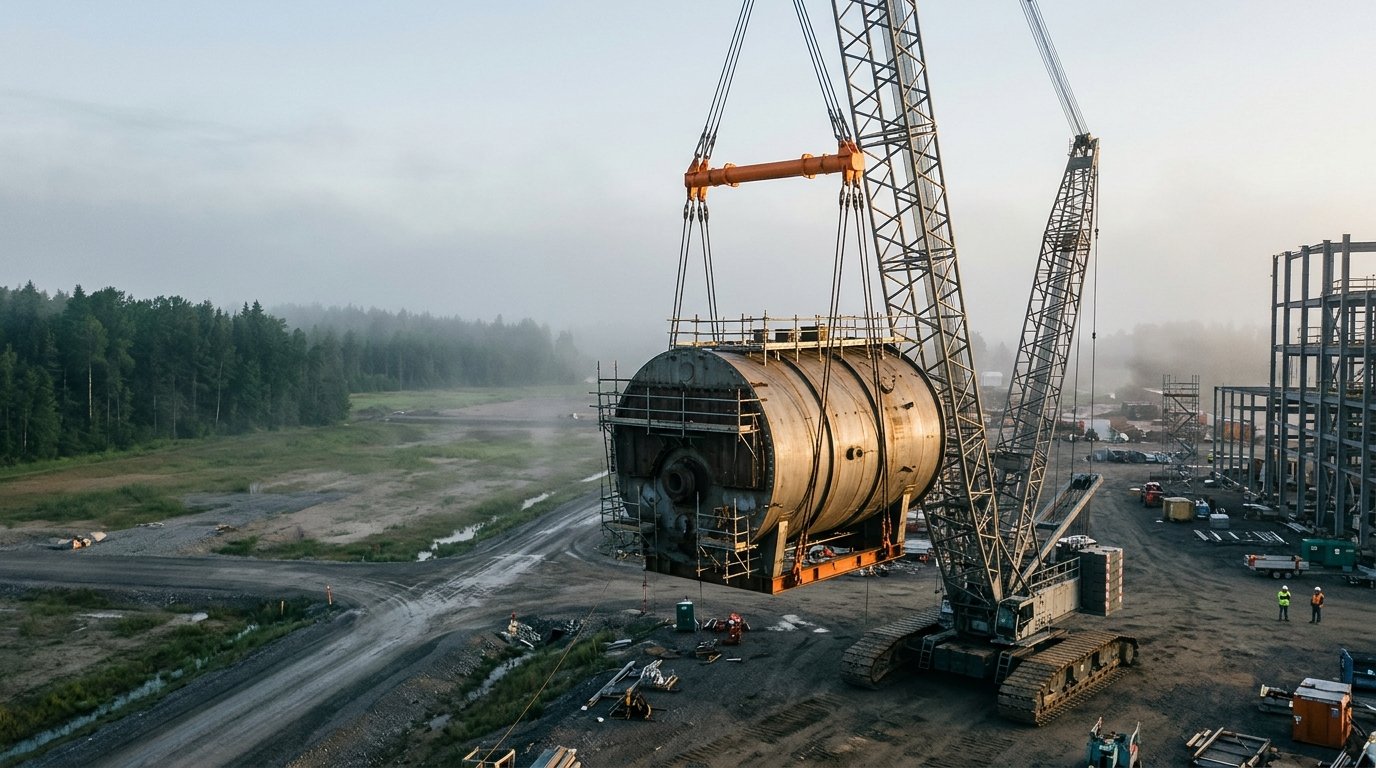
Who builds the mills, and who finances them
Two equipment makers, Valmet and Andritz, supplied the main equipment for the world's newest large pulp mills. Only two of the order values are public.
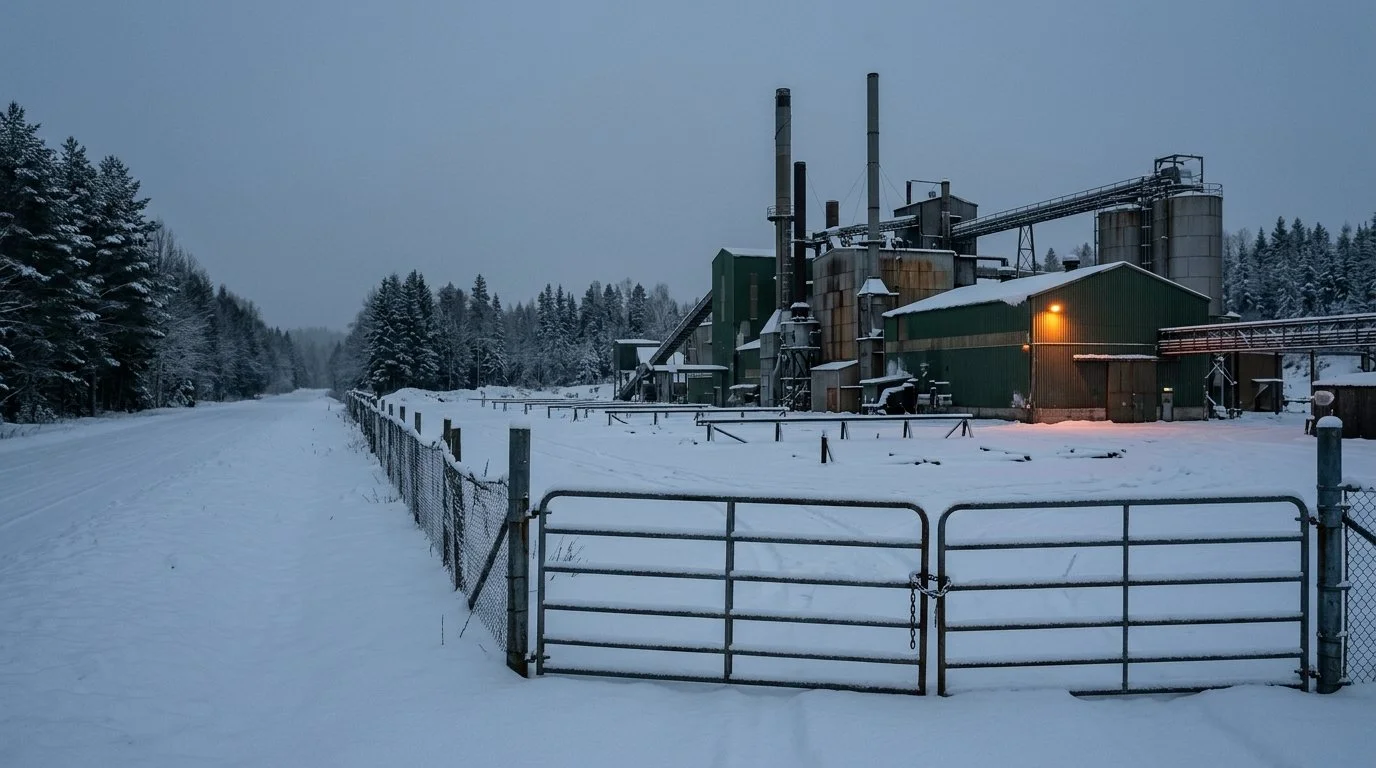
Why northern mills close: the companies' own reasons
Three British Columbia pulp mills named access to affordable wood fiber among their reasons for stopping. Two of them also named poor pulp prices.
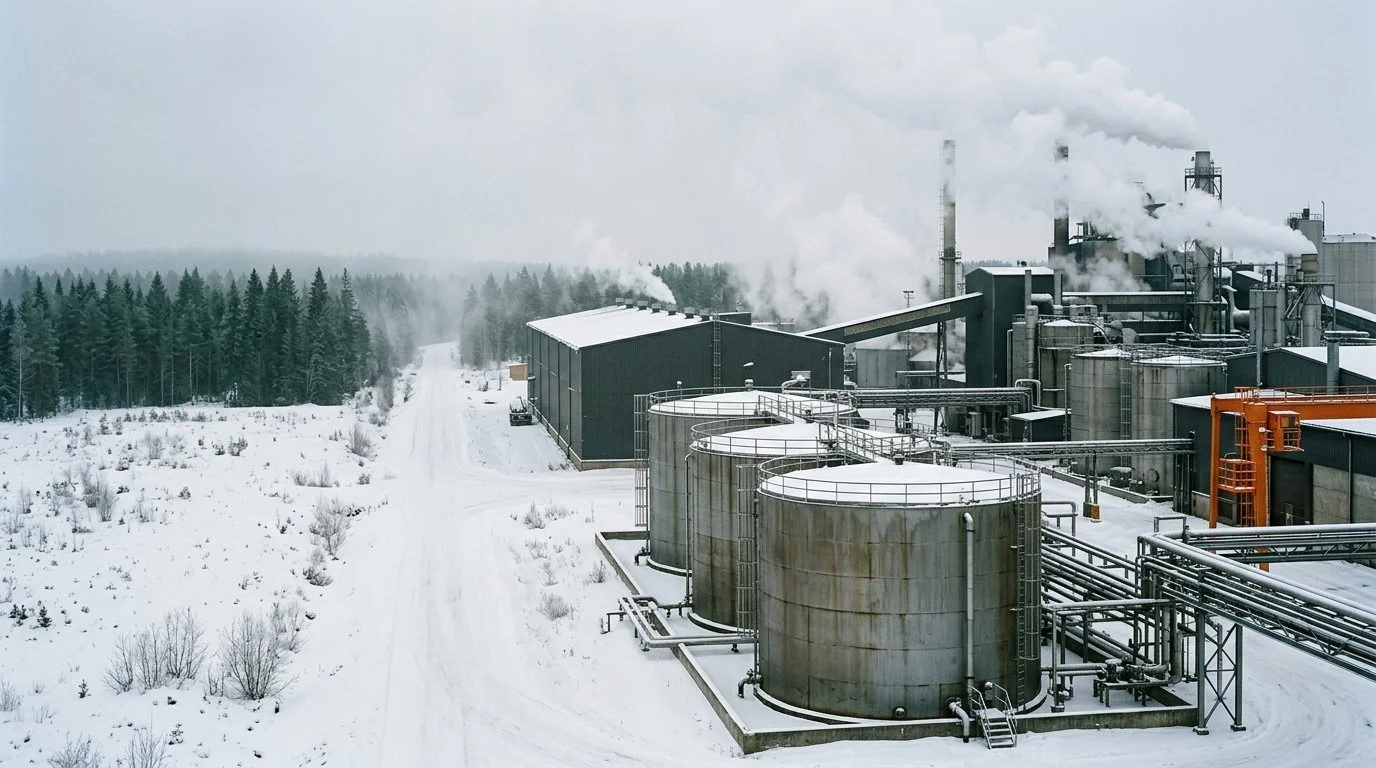
More than paper: the biorefinery
Pulp mills already sell tall oil and turpentine. Lignin has a mixed record: a Finnish plant closed in 2023 and a Swedish one is due in 2027.
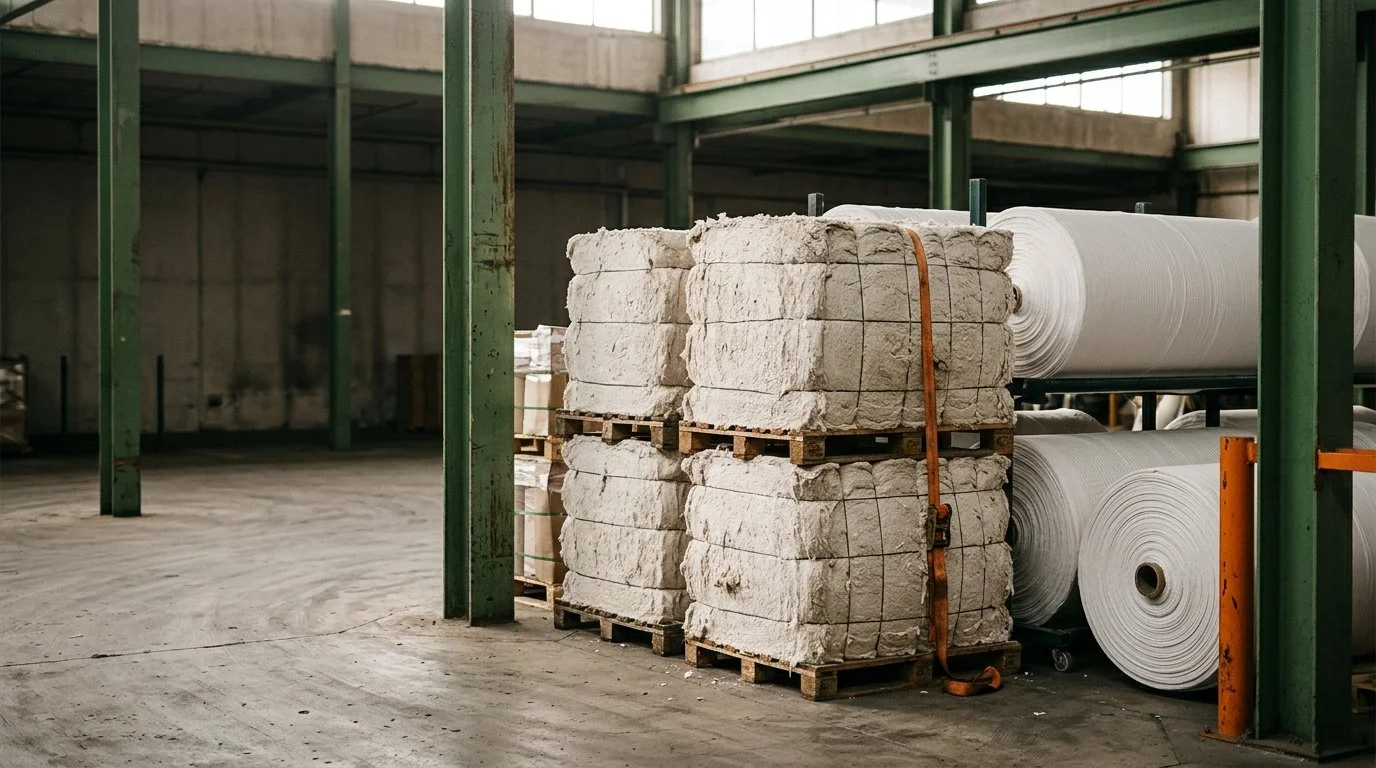
Clothes from trees: dissolving pulp, viscose and new fibers
Dissolving pulp is the wood pulp that becomes viscose and lyocell. China imported 4.54 million tons of it in 2025, while newer wood-based fibers are still pilots.
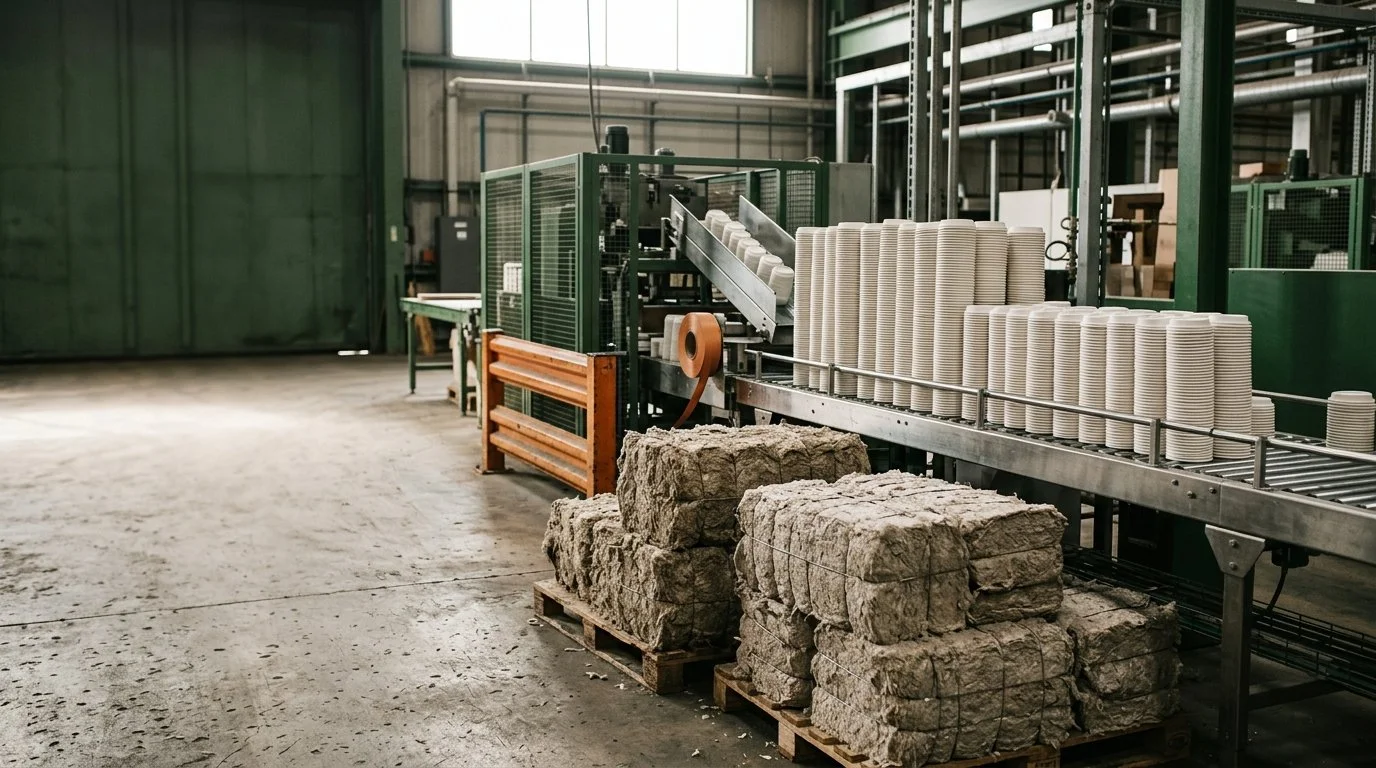
Pulp against plastic: molded fiber and paper packaging
Fiber lids are in production at licensee and Huhtamaki sites. Paper bottles are at pilot or small scale. This post sorts each product by stage and sets out the EU rules.
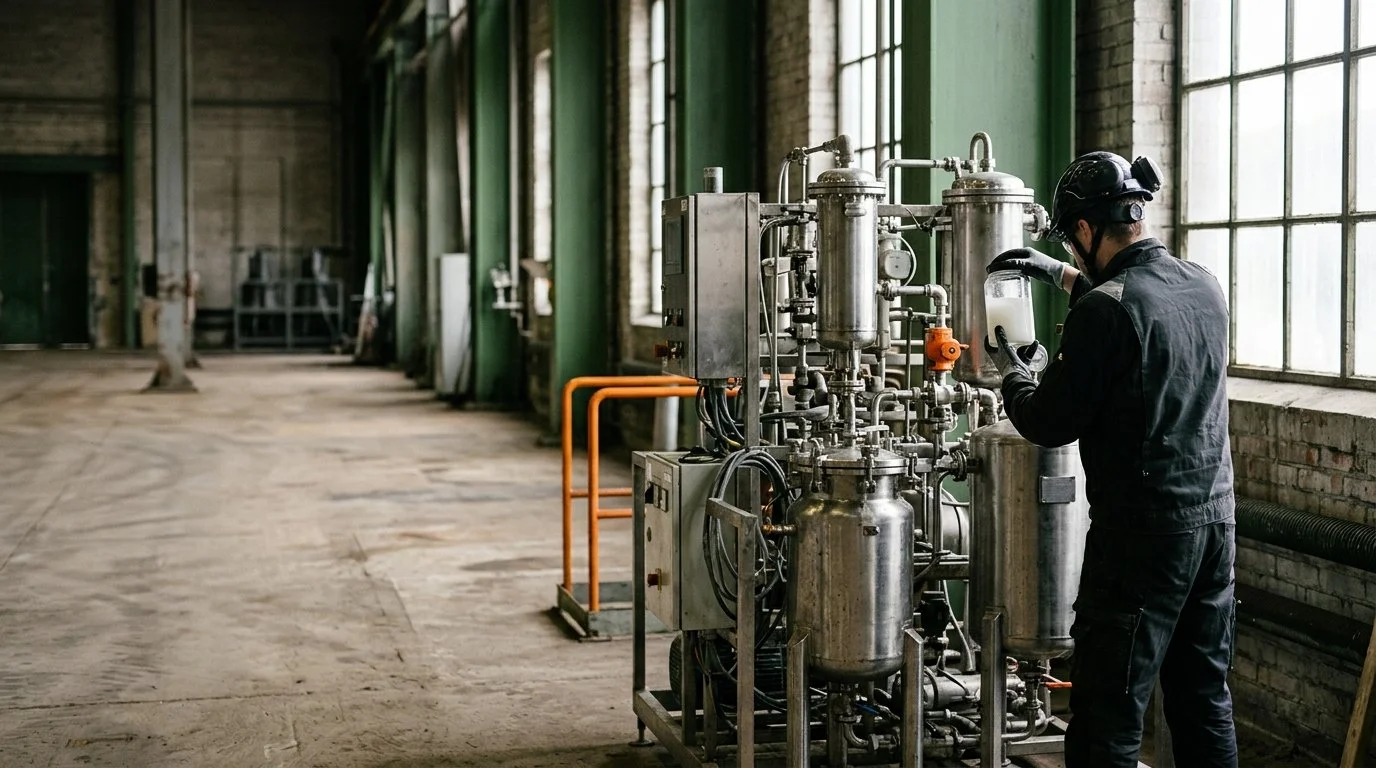
New materials from cellulose: what is real and what is still in the lab
Borregaard's Sarpsborg plant, with 1,000 metric tons of dry capacity a year, is the only commercial microfibrillated cellulose plant with a verified capacity. This post sorts new cellulose materials from lab to production.

Tracing the tree: certification and the EU rule
PEFC certifies 295,982,894 hectares of forest, but under the EU deforestation rule a certificate is complementary information only. This post lists what an EU pulp importer must hold from December 30, 2026.
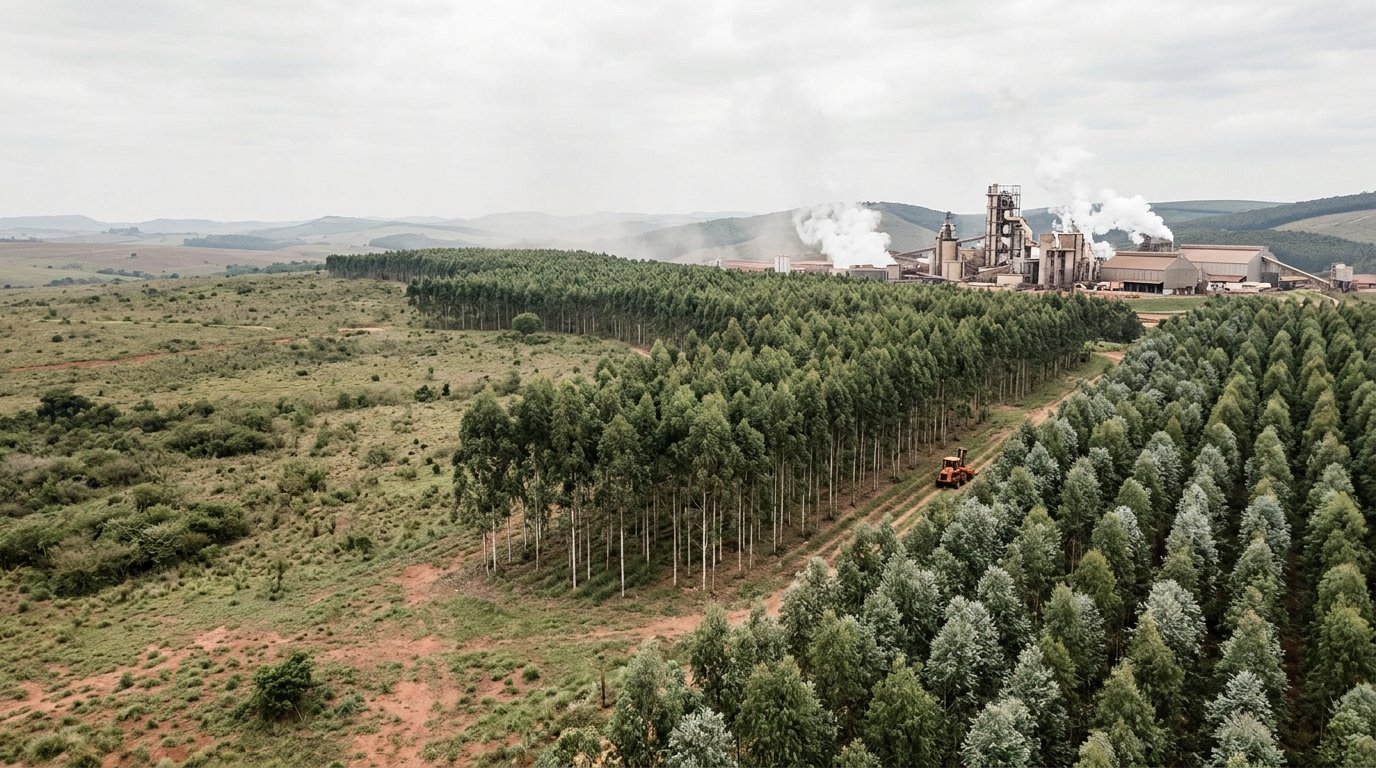
Brazil: can the largest pulp exporter keep growing?
Brazil's pulp exports grew from 12.0 to 22.3 million tons in ten years, and China took about two thirds of the increase. The sources we found show one large mill under construction and two projects with no start date.

North America: two big producers, two different stories
Canada's pulp exports fell 28.5% in ten years, and sawmill chips are one reason. The US makes 19.5% of the world's pulp and is rebuilding a fluff mill in Alabama.
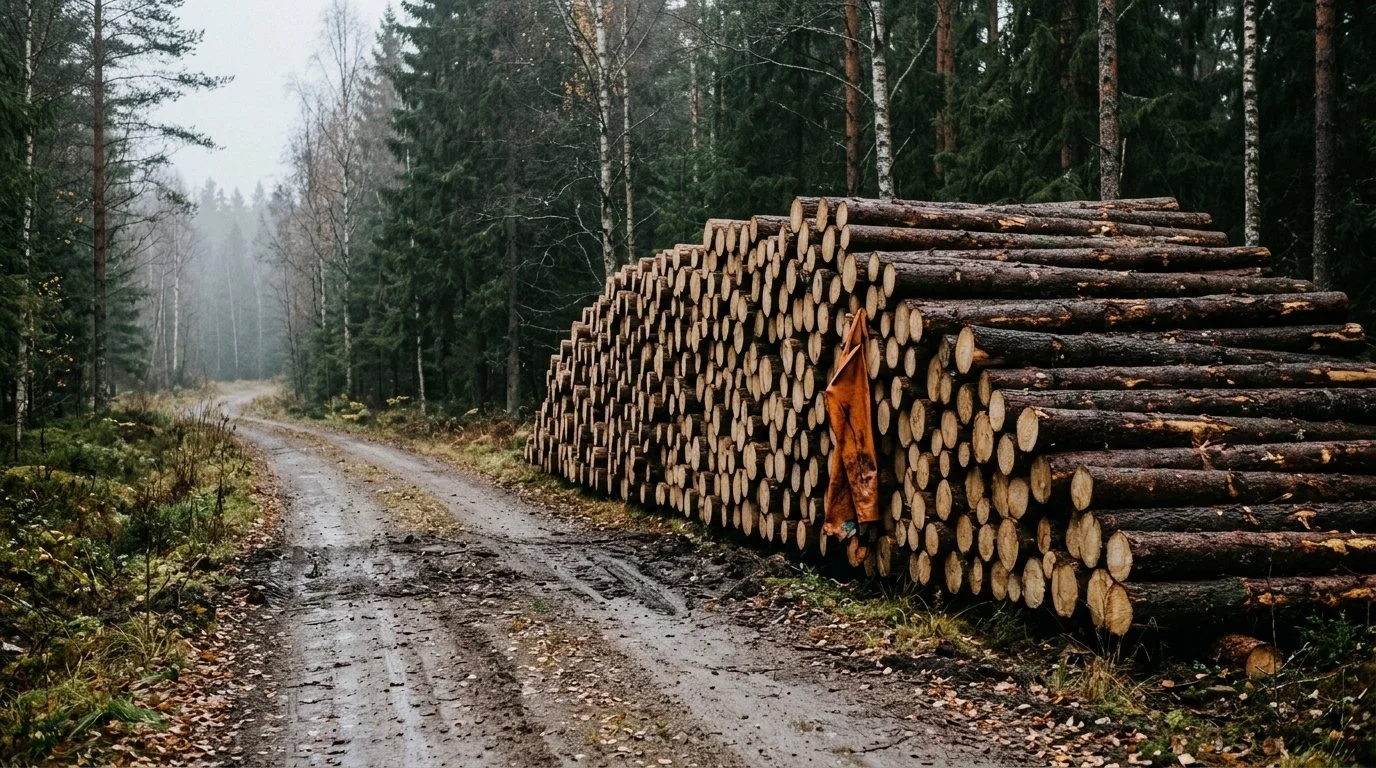
The Nordics: Europe's pulp makers
Sweden and Finland made 21.0 million tons of pulp in 2024. Families own much of the forest, and two of the biggest pulp makers are owned through forest owner groups.
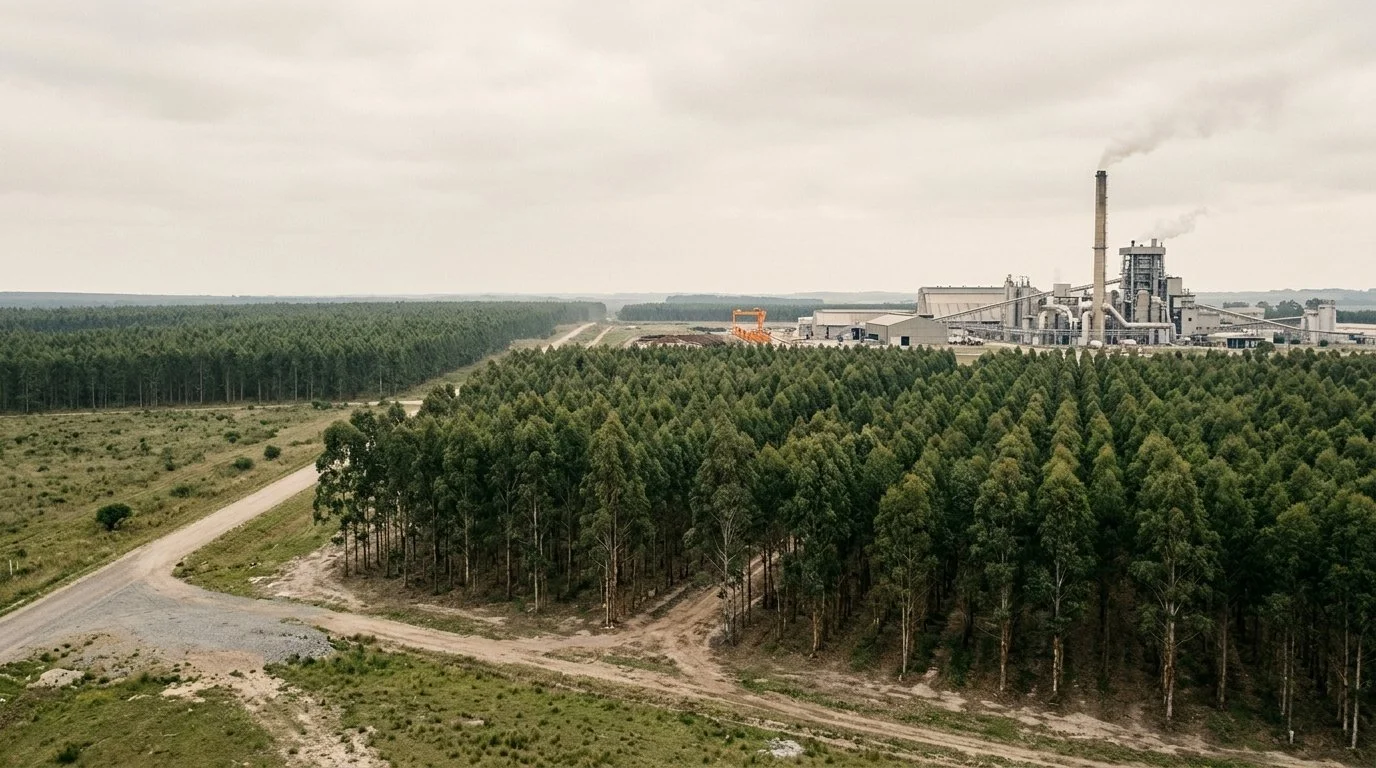
Chile and Uruguay: big mills, small countries
Uruguay's mills made 4.2 million tons of pulp in 2024, yet its own customs filing to the UN lists one pulp entry worth $52,244. The mills sit in free zones.