
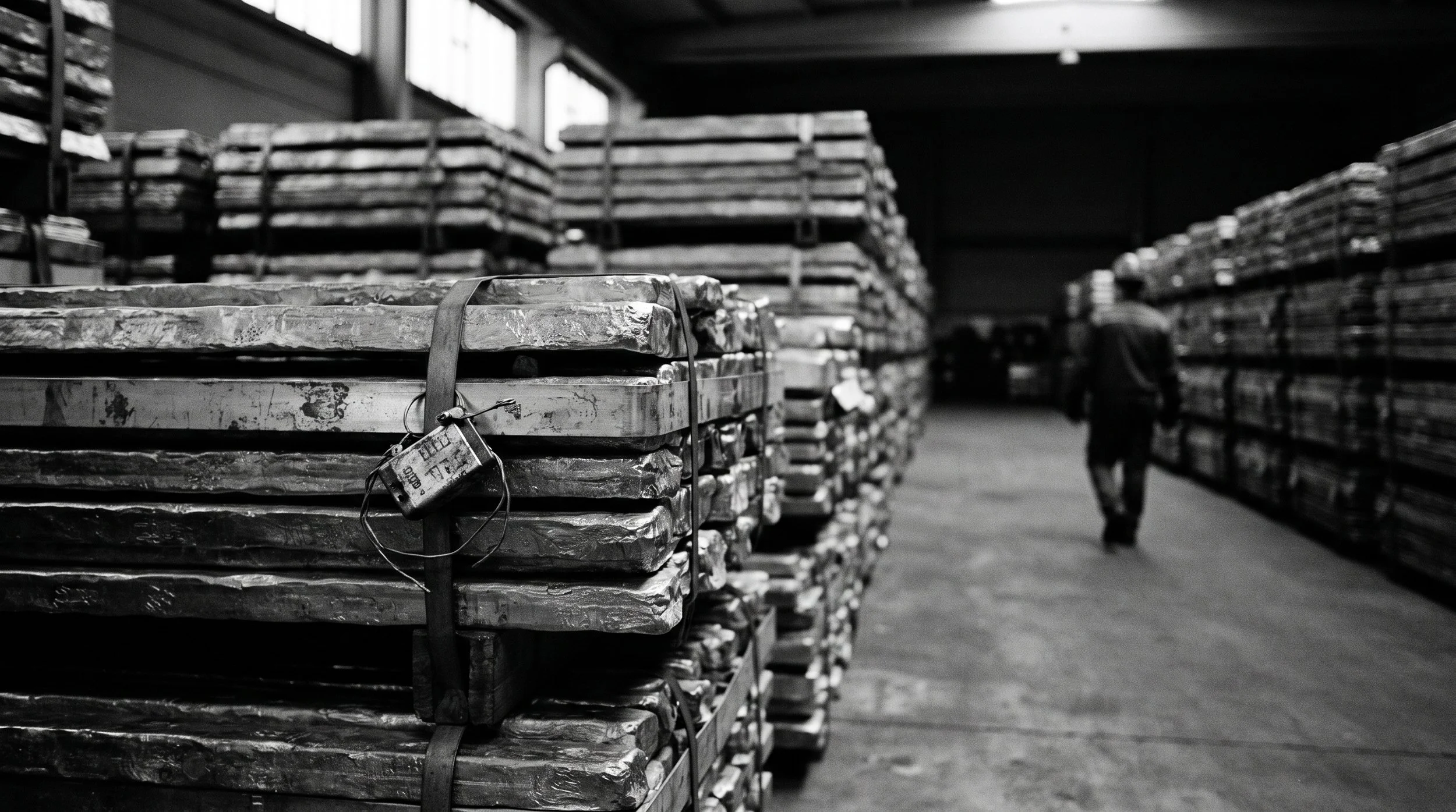
Structured commodity finance lends against the goods and their sale, so the structure carries the credit
Structured commodity finance is short-term finance for exchange-traded commodities, repaid from the sale of the goods. Providers advance less than market value, take security through warehouse receipts and monitor the goods.

Seasonal trade packs a year's funding need into a few months, so the facility has to peak with the harvest
Harvests set when an exporter's cash goes out and when it comes back. US soybean exports have historically peaked September to December. Pre-export, warehouse and yearly renewed facilities are built to rise and fall with that curve.

Trade finance shortens the cash cycle by funding receivables, inventory or payables one term at a time
Working capital stays tied up for the length of the cash conversion cycle. Factoring, inventory finance, payables finance and export working capital finance each work on one part of that cycle to release cash.

Trade finance tenors run for weeks and months, and the tenor sets both the cost and the risk window
Tenor is the time from the start of a trade finance deal to its maturity. A 2010 ICC-ADB study put average tenors for short-term products between 53 and 256 days. Interest builds up by the day, so cost scales with tenor.

The cash conversion cycle counts the days cash is tied up in trade, and each day has a financing cost
The cash conversion cycle counts the days cash is tied up in trade: days sales outstanding plus days inventory outstanding minus days payable outstanding. Every day in the cycle locks up a day of sales that has to be funded.

Every trade finance price is a rate for a number of days plus fees, and the currency sets the day count
A trade finance rate is a base rate for the tenor plus a margin for risk. The charge builds up for each day the money is out, over a year length set by the currency: Actual/360 for US dollars, Actual/365 for sterling. Fees come on top.