
Tolling
Tolling finance funds raw material while a processor turns it into a finished product for a fee. The owner keeps the goods, the finance provider holds a claim over them, and the sale of the product repays the finance.
Structured commodity finance
Structured commodity finance is short-term funding for commodity stocks or sales, repaid from the sale of the goods. The provider lends part of the goods' value, holds security over them and watches them until the buyer pays.
Prepayment finance
In prepayment finance, a buyer pays the producer in advance, with a bank's money or its own, and the producer pays it back with future deliveries. The bank's security is the buyer's rights under the prepaid contract.
Warehouse finance (warehouse receipts)
Warehouse finance lets the owner of stored goods raise a short-term loan against a warehouse receipt. The lender pays out part of the goods' value, holds title until repaid, and the buyer collects the goods once the loan is cleared.
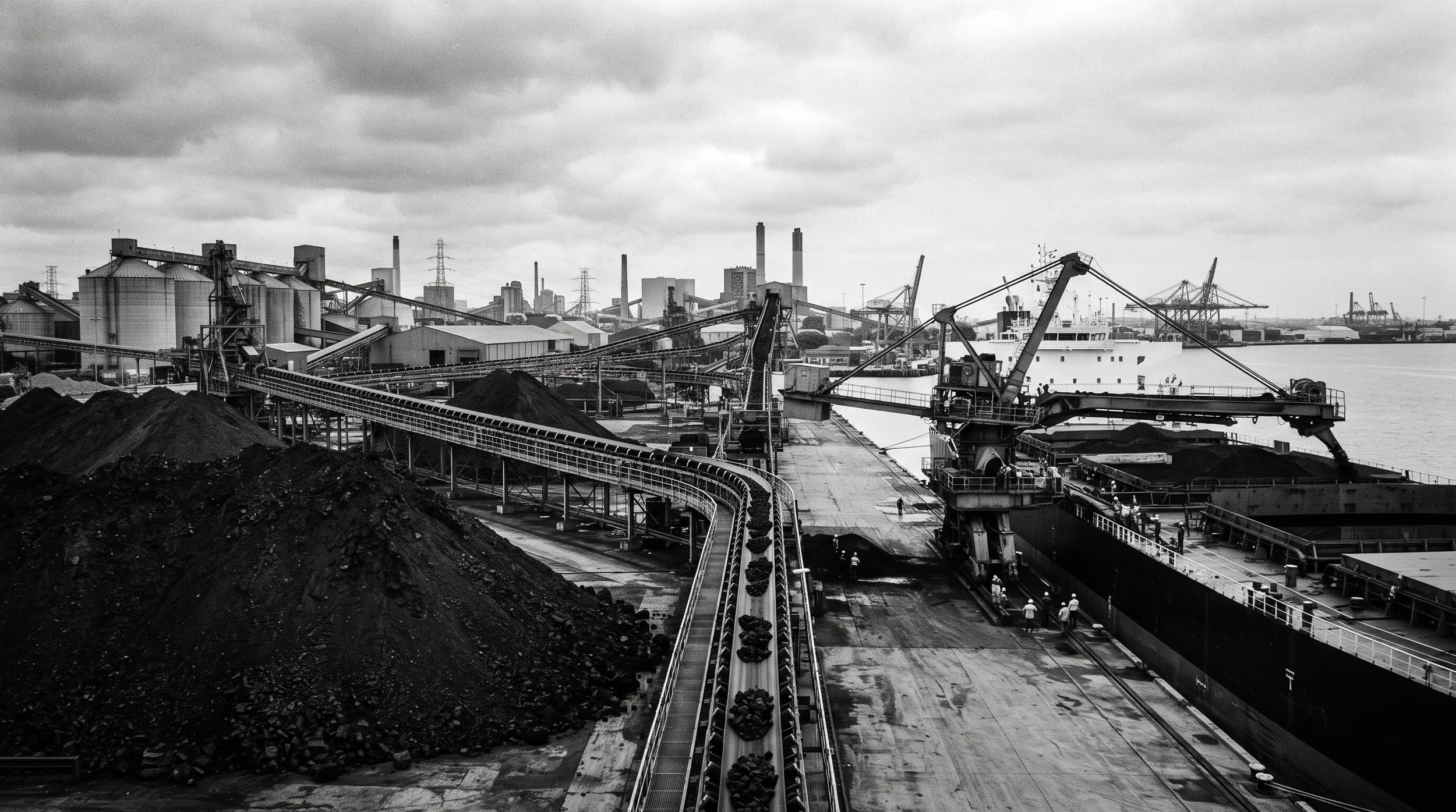
US coal exports fell to 93 million short tons in 2025, and energy cargoes still mix LCs, open account and prepayment
US coal exports were 93 million short tons in 2025, down from 108 million. Energy cargoes are financed one shipment at a time, with letters of credit, open account, prepayments repaid in oil and inventory held by a financing partner.
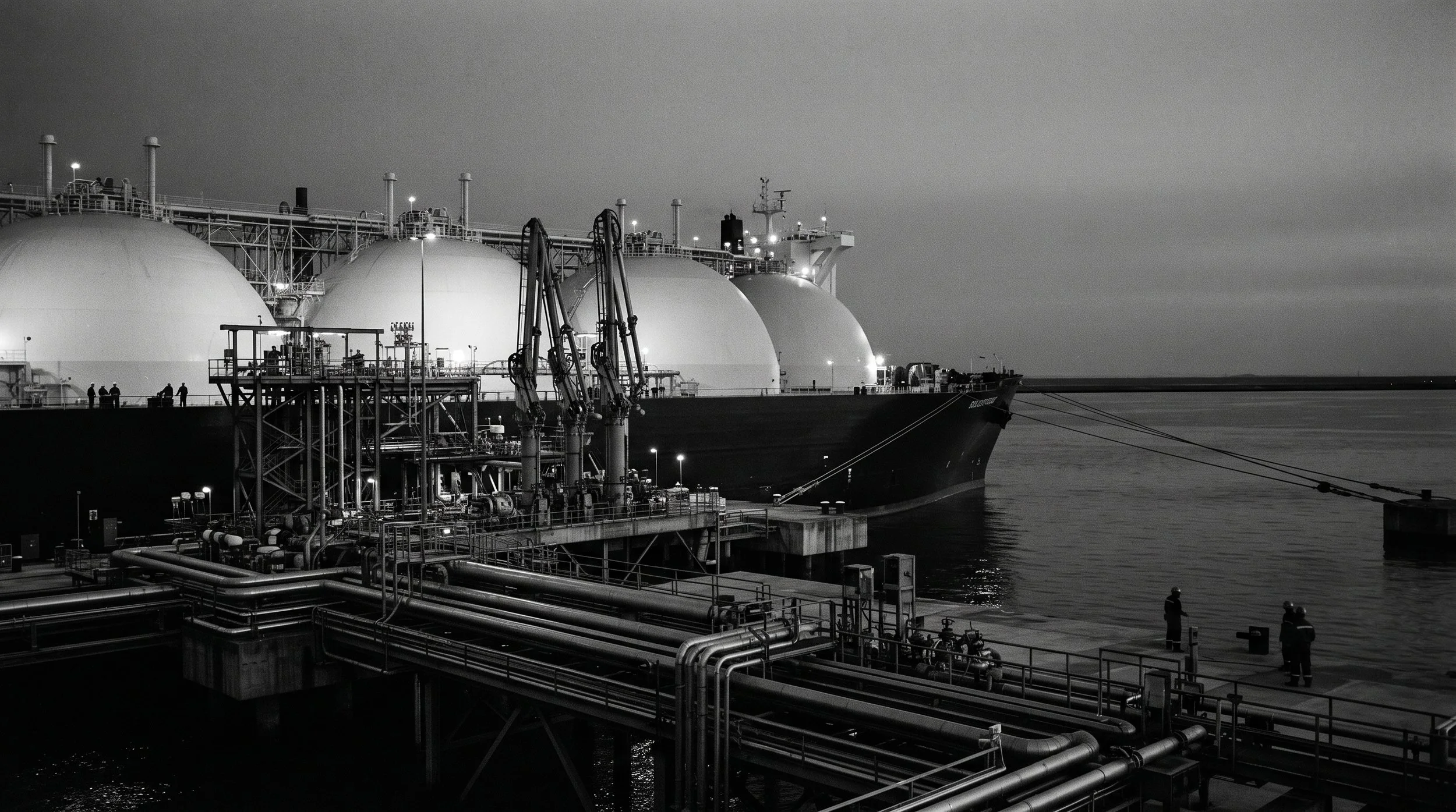
LNG trade hit a record in 2025, and each cargo is priced, shipped and paid as its own financed transaction
Global LNG trade reached a record 56.3 Bcf/d in 2025. US buyers generally take cargoes free on board, paying a liquefaction fee plus feedgas, and each cargo invoice is then paid through its own route, such as a letter of credit or open account backed by a standby.
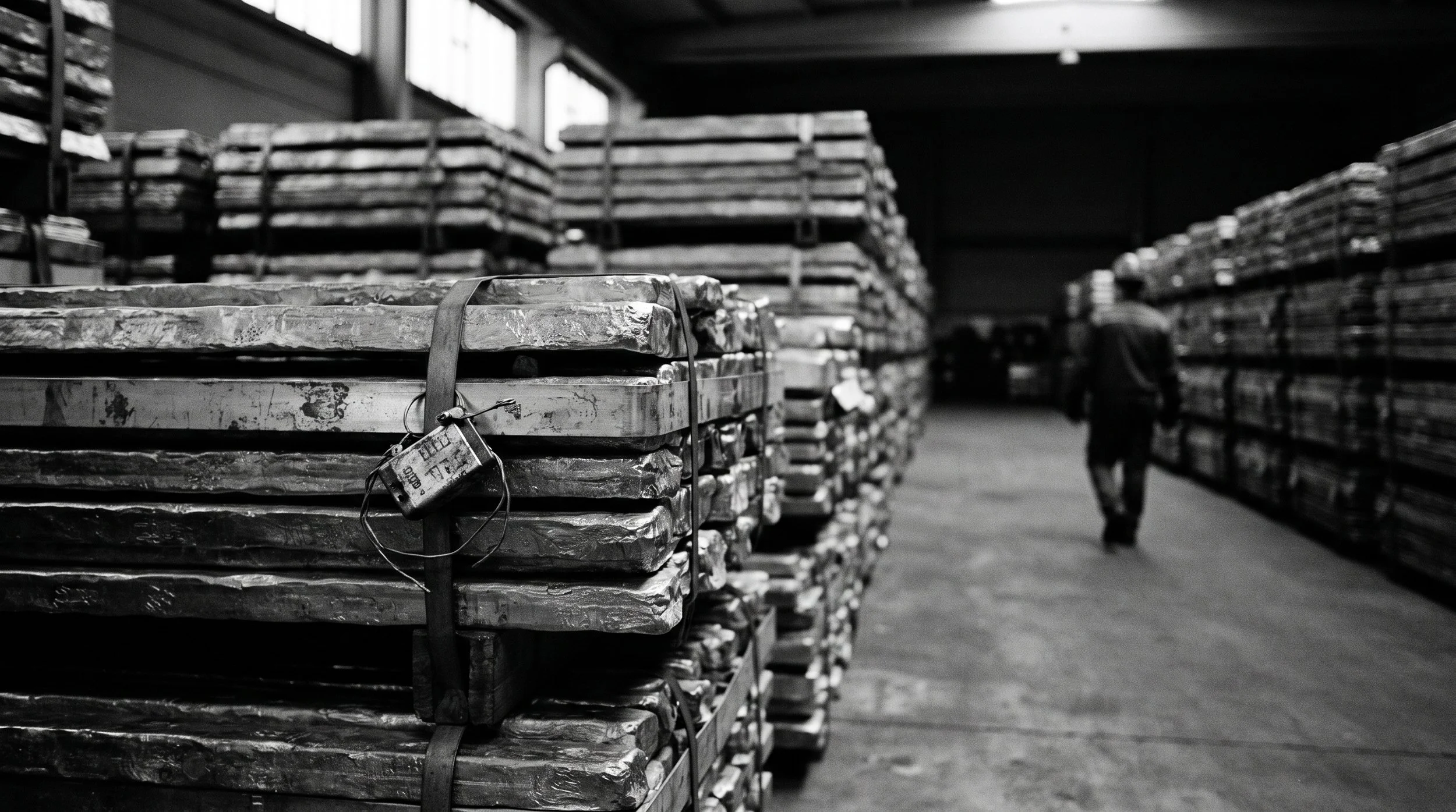
Structured commodity finance lends against the goods and their sale, so the structure carries the credit
Structured commodity finance is short-term finance for exchange-traded commodities, repaid from the sale of the goods. Providers advance less than market value, take security through warehouse receipts and monitor the goods.

Seasonal trade packs a year's funding need into a few months, so the facility has to peak with the harvest
Harvests set when an exporter's cash goes out and when it comes back. US soybean exports have historically peaked September to December. Pre-export, warehouse and yearly renewed facilities are built to rise and fall with that curve.

Inventory finance funds goods in storage, and the finance provider holds title until it is repaid
Inventory finance pays for goods held for sale. A finance provider advances part of their value, holds title or security over them with inspections and insurance, and releases title when sale proceeds repay the advance.

Pre-export finance pays the exporter before the goods exist, and the buyer's payment repays it
Through pre-export financing, exporters are pre-paid for the products they are going to export. The lender advances against assigned export contracts, and the buyer normally acknowledges the assignment and pays the lender directly.