
Forged title documents drive big trade frauds, and a credit stays payable unless the beneficiary's fraud is proven
In ED&F Man v Come Harvest, $284,536,139.23 was advanced against 92 warehouse receipts the court found were forgeries. A letter of credit stays payable unless the beneficiary's own fraud is shown, and courts ask for particularly cogent evidence.
Standby letter of credit
A standby letter of credit is a bank's backup promise to pay if one side fails to pay or perform. The exporter can sell on open account with a bank to fall back on, and the importer repays the bank for any payout.
Revolving letter of credit
A revolving letter of credit is an LC whose amount is restored after use, by time or by value, so one LC can pay for a series of repeat shipments. Learn the cumulative and non-cumulative types and what each side gains and must watch.
Red clause letter of credit
A red clause letter of credit lets the exporter draw an advance before shipment to make or buy the goods. A bank in the exporter's country pays the advance, the buyer's bank carries it, and the rest is paid on matching documents.
Back-to-back letter of credit
A back-to-back letter of credit uses two separate LCs: a master LC from the buyer's bank to a middleman, and a second LC from the middleman's bank to the supplier. The middleman's bank looks to the master LC for repayment.
Transferable letter of credit
A transferable letter of credit lets a trader in the middle pass the buyer's LC, fully or partly, to its supplier. The supplier is paid on matching documents, and the trader swaps in its own invoice to collect the difference.
Confirmed letter of credit
A confirmed letter of credit adds a second bank's promise to pay the exporter, on top of the buyer's bank. It covers the risk of the buyer's bank and country, while the documents must still match the LC.
Letter of credit (usance, acceptance, deferred payment)
A usance letter of credit is a bank's promise to pay the exporter on a set later date, once documents that match the LC are presented. The importer gets the goods before paying, and the exporter holds a bank's promise.
Letter of credit (sight)
A sight letter of credit is a bank's promise to pay the exporter once documents that match the LC are presented. The exporter relies on the buyer's bank, and the importer pays only after seeing proof the goods shipped.
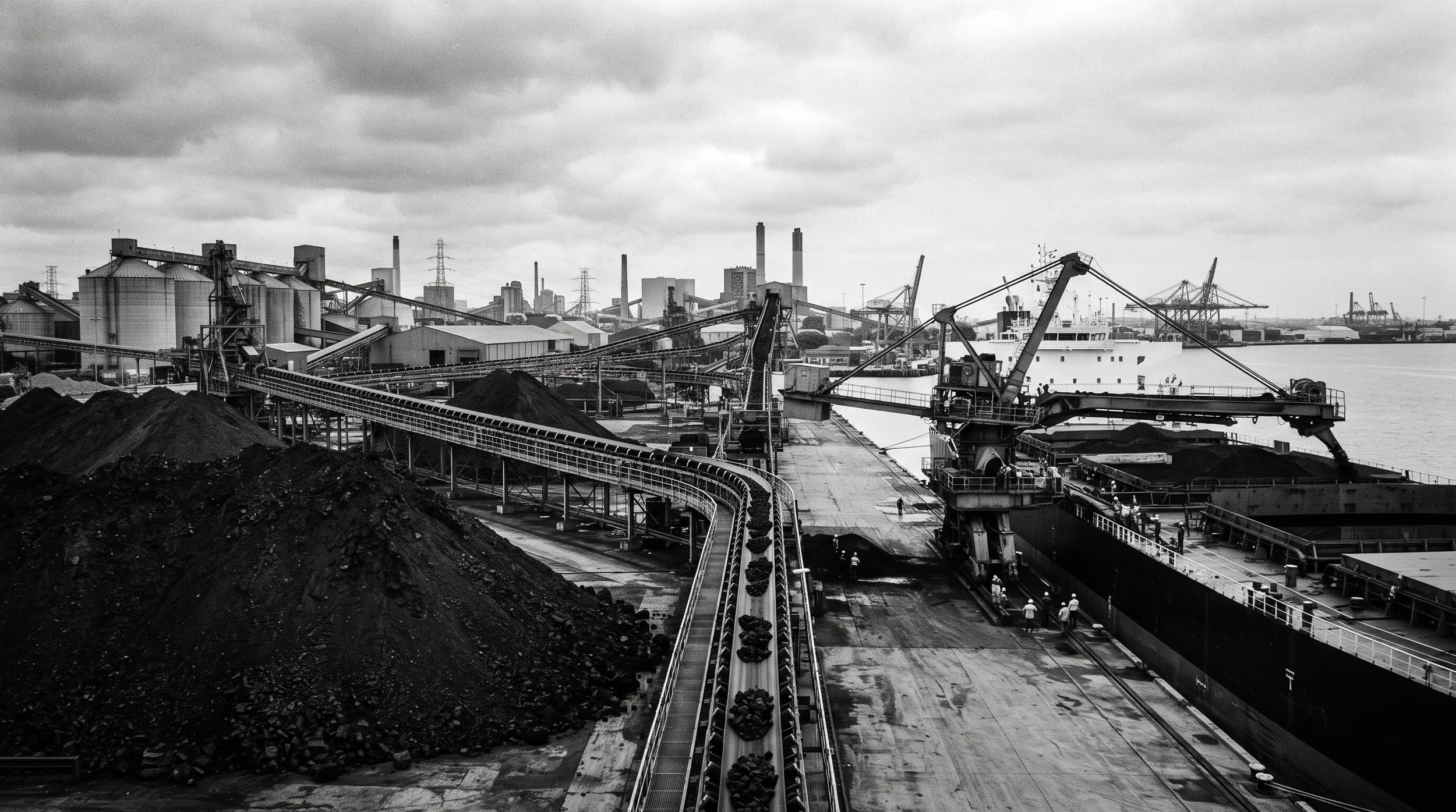
US coal exports fell to 93 million short tons in 2025, and energy cargoes still mix LCs, open account and prepayment
US coal exports were 93 million short tons in 2025, down from 108 million. Energy cargoes are financed one shipment at a time, with letters of credit, open account, prepayments repaid in oil and inventory held by a financing partner.
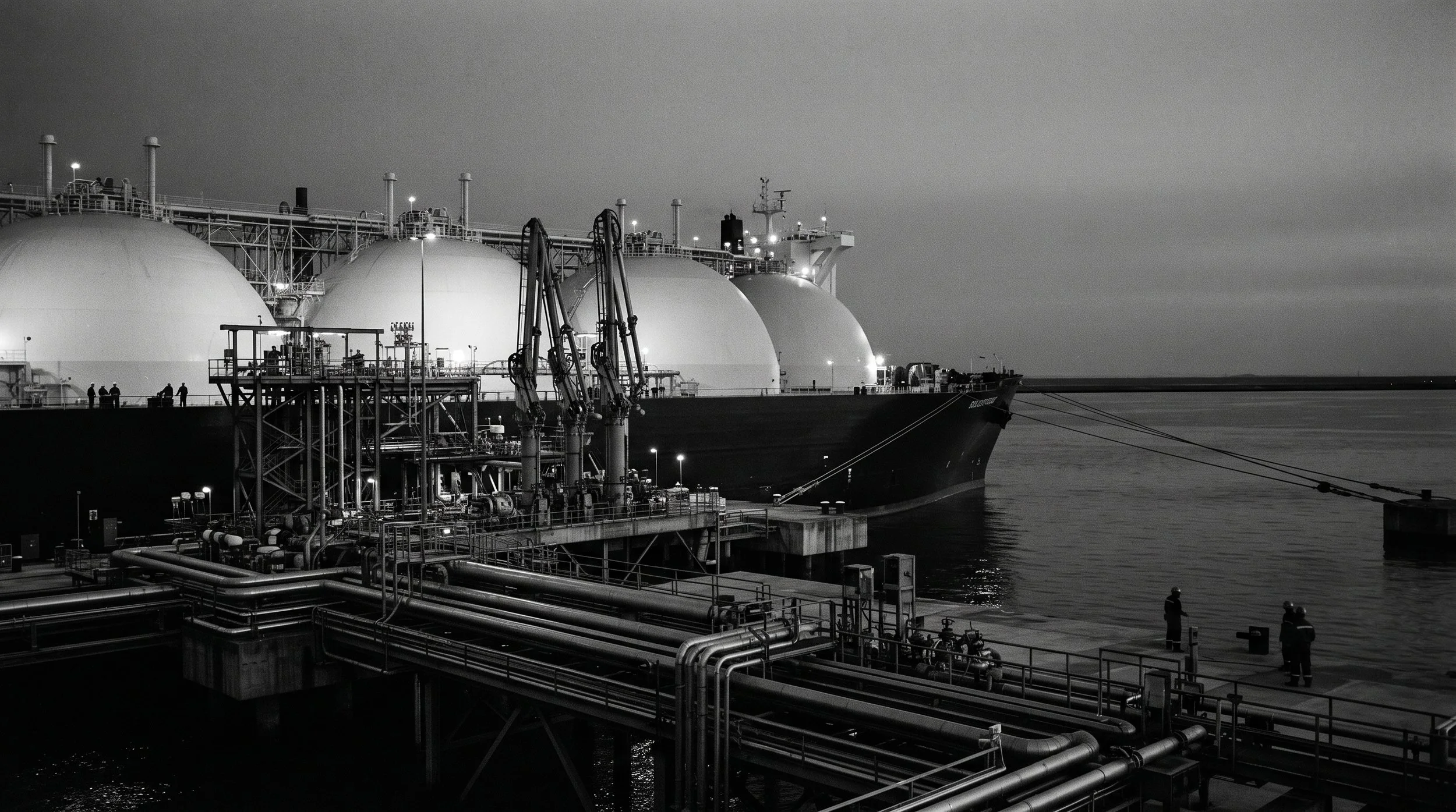
LNG trade hit a record in 2025, and each cargo is priced, shipped and paid as its own financed transaction
Global LNG trade reached a record 56.3 Bcf/d in 2025. US buyers generally take cargoes free on board, paying a liquefaction fee plus feedgas, and each cargo invoice is then paid through its own route, such as a letter of credit or open account backed by a standby.

Trade finance tenors run for weeks and months, and the tenor sets both the cost and the risk window
Tenor is the time from the start of a trade finance deal to its maturity. A 2010 ICC-ADB study put average tenors for short-term products between 53 and 256 days. Interest builds up by the day, so cost scales with tenor.
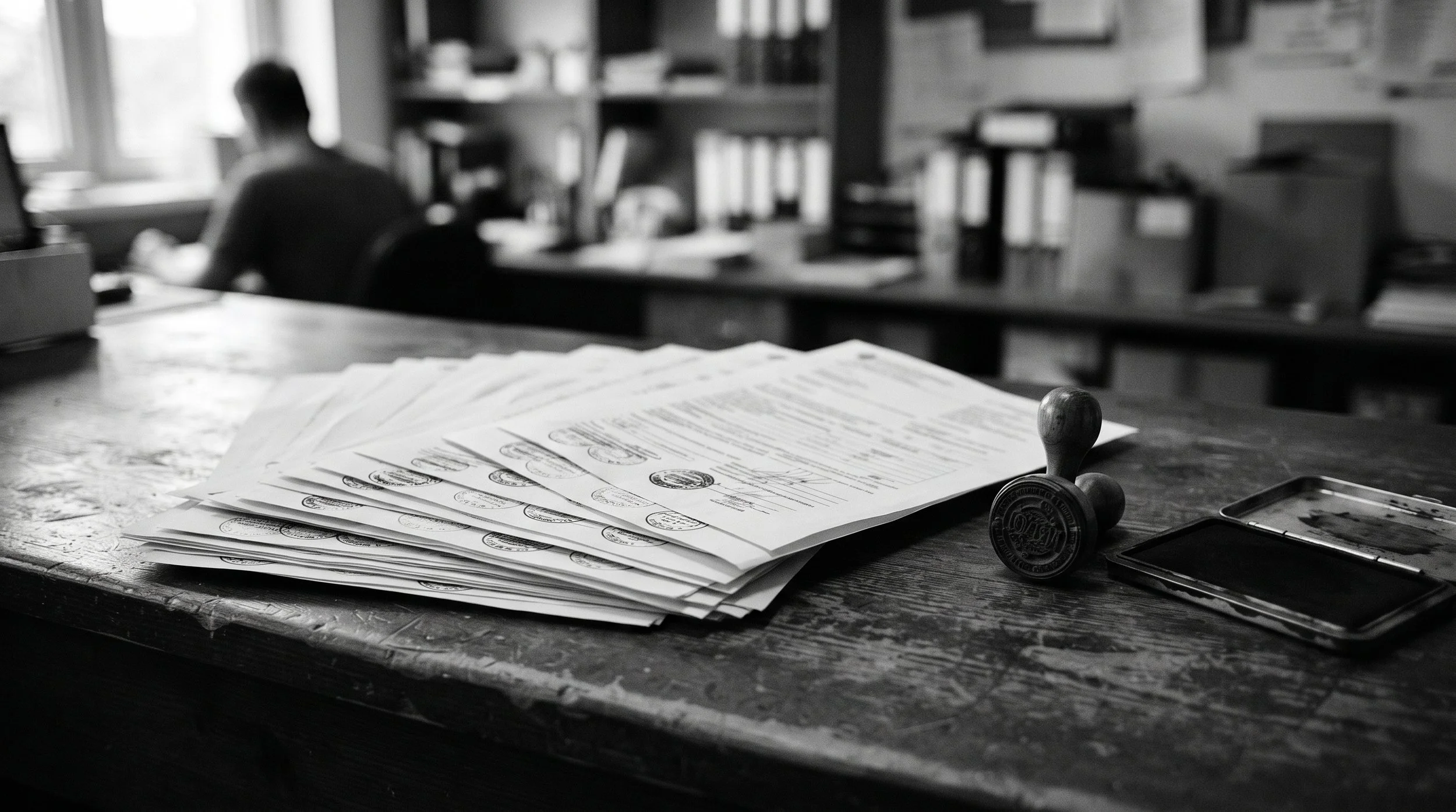
Every trade runs on a short stack of documents, and under a letter of credit the bank pays against the paper
Shipping documents such as the commercial invoice, bill of lading, certificate of origin and insurance certificate let the importer take delivery. Under a letter of credit, banks check them against the credit, UCP 600 and ISBP within five banking days.

A letter of credit puts a bank's promise behind the buyer's, and the bank pays only against complying documents
A letter of credit is a bank's commitment, on behalf of the importer, to pay the exporter if the credit's terms are met. The bank pays only when the exporter's documents comply.

Four payment terms decide who waits for cash, and each step toward open account moves the risk to the seller
Under cash in advance the buyer pays before shipment. Under a letter of credit a bank commits to pay; under a documentary collection banks handle the documents but take no risk; under open account the seller ships first and is paid, typically, in 30, 60 or 90 days.

Every trade has a buyer and a seller, and banks, insurers and agencies fill the roles between them
Under a letter of credit the importer is the applicant and the exporter the beneficiary. Under a collection the exporter is the principal, working through remitting, collecting and presenting banks. Factors, insurers and export credit agencies fill the roles between.
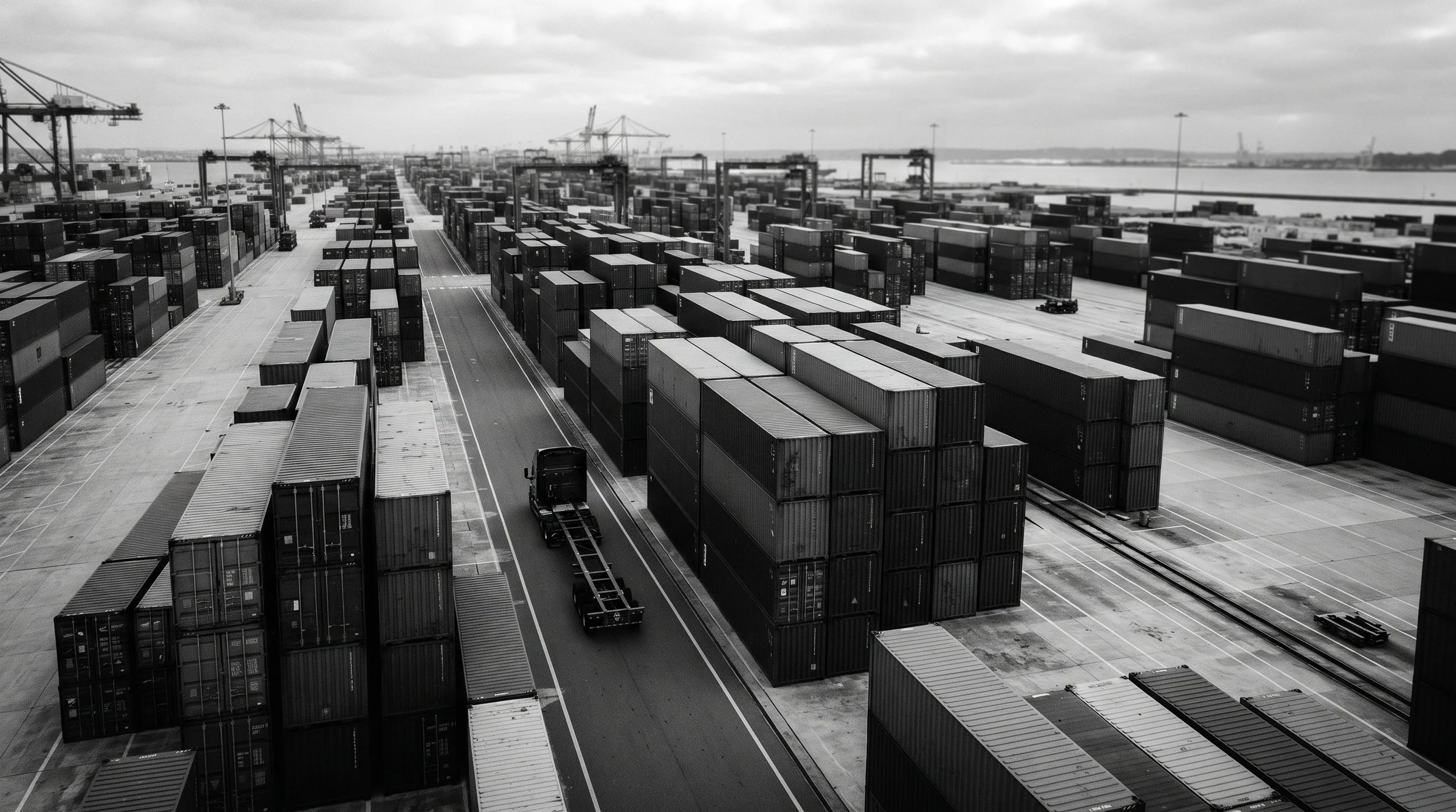
Trade finance protects a shipment, supply chain finance frees the working capital around it
Trade finance reduces the risks of international trade; supply chain finance optimizes the working capital invested in supply chains. Payables finance, its best-known form, lets suppliers sell buyer-approved invoices at a cost aligned with the buyer's credit risk.