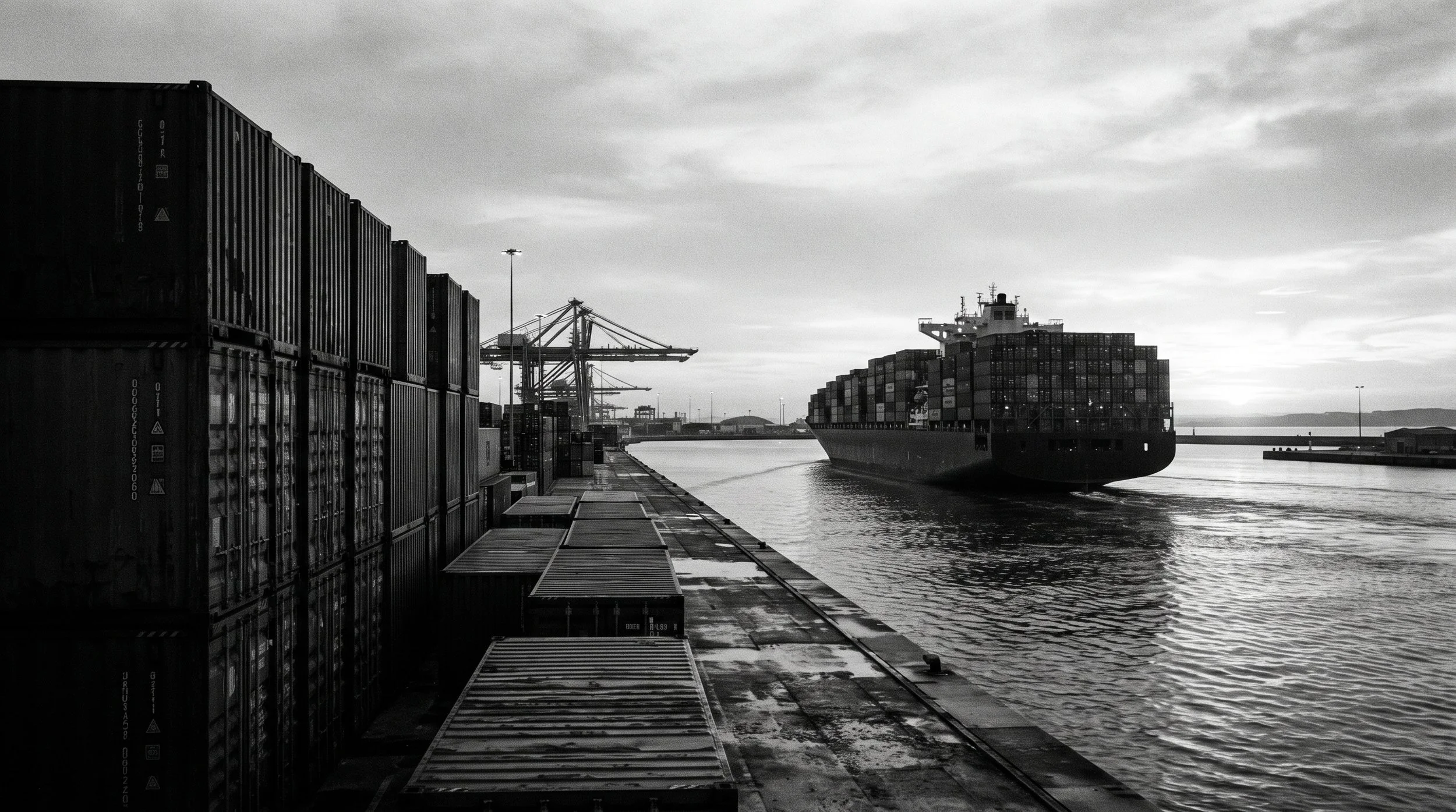
A letter of credit puts a bank's promise behind the buyer's, and the bank pays only against complying documents
A letter of credit is a bank's commitment, on behalf of the importer, to pay the exporter if the credit's terms are met. The bank pays only when the exporter's documents comply.

Four payment terms decide who waits for cash, and each step toward open account moves the risk to the seller
Under cash in advance the buyer pays before shipment. Under a letter of credit a bank commits to pay; under a documentary collection banks handle the documents but take no risk; under open account the seller ships first and is paid, typically, in 30, 60 or 90 days.

Distributor finance funds a manufacturer's dealers to hold stock until their own customers pay
Distributor finance funds a large manufacturer's distributors to hold goods for resale until their own customers pay. It is secured on stock and receivables and often backed by the manufacturer through stop-supply, buy-back or risk sharing undertakings.

Dynamic discounting lets buyers earn a return on their own cash by paying suppliers early
Dynamic discounting lets a buyer pay suppliers early out of its own cash, at a discount that shrinks as the due date approaches. The US Treasury's public test: take a discount only when its yearly rate beats the value of funds rate.

Inventory finance funds goods in storage, and the finance provider holds title until it is repaid
Inventory finance pays for goods held for sale. A finance provider advances part of their value, holds title or security over them with inspections and insurance, and releases title when sale proceeds repay the advance.

Supplier terms fund importers, and an early payment discount has a price to test against the cost of funds
Open account terms of 30, 60 or 90 days let an importer receive goods before paying. A discount for paying early can be turned into an annual rate and compared with the importer's own value of funds, the test the US Treasury sets for federal agencies.

Longer payment terms hold up when suppliers can get paid early on the buyer's credit
Payables finance lets a supplier on longer payment terms sell its approved invoice early, at a cost typically aligned with the buyer's credit, while the buyer still pays on the original due date.

Payables finance pays suppliers early on the buyer's credit, while the buyer still pays on the original due date
Payables finance is a buyer-led program in which suppliers sell invoices the buyer has approved to a finance provider, at a discount priced on the buyer's credit. The buyer still pays the full invoice on the original due date.

Credit insurers covered USD 3,345 billion of short-term trade in 2025 and paid USD 11,107 million in claims
Trade credit insurance pays an exporter most of an unpaid invoice when a foreign buyer defaults or a political event stops payment. Short-term cover pays 90 to 95 percent, and the policy proceeds can be assigned to a lender to support financing.

Forfaiting buys an exporter's future payment claims outright, with no recourse to the exporter
Forfaiting is the without recourse purchase of future payment obligations, such as bills of exchange, promissory notes and letter of credit obligations. The advance is normally 100 percent of face value less finance charges.

Shipment splits trade finance in two: before it, lenders fund production; after it, they fund the invoice
Pre-shipment finance funds production and rests on the seller's performance; at shipment the security moves to the receivable, and post-shipment tools such as factoring and forfaiting fund the invoice.

Pre-export finance pays the exporter before the goods exist, and the buyer's payment repays it
Through pre-export financing, exporters are pre-paid for the products they are going to export. The lender advances against assigned export contracts, and the buyer normally acknowledges the assignment and pays the lender directly.

Factoring and invoice discounting fund the same invoices, but differ on who collects from the buyer
Both sell invoices to a finance provider at a discount. In factoring the provider usually runs the ledger and collects; in invoice discounting the seller keeps the ledger and the financing may be undisclosed to the buyer.

Receivables finance turns issued invoices into cash, a market FCI puts at EUR 4.04 trillion a year
Receivables finance lets a seller turn invoices it has already issued into cash before the buyer pays. The finance provider advances a share of the invoice, usually around 80% in factoring, and releases the balance less fees and discount when the buyer pays.

Companies seek $2.5 trillion more trade finance than providers approve, and SMEs face the highest rejection rate
ADB's 2025 survey of more than 110 providers puts the global trade finance gap at $2.5 trillion, unchanged from 2023 and around 10 percent of merchandise trade flows. SMEs faced a 41 percent rejection rate, against 20 percent for multinationals.

Most world trade relies on short-term credit, extended by the seller, the buyer or a bank
The WTO estimates 80 to 90 percent of world trade relies on trade finance, mostly short-term. Banks directly support about one-third of global trade, and funded trade loans averaged about 3.5 months.

Every trade has a buyer and a seller, and banks, insurers and agencies fill the roles between them
Under a letter of credit the importer is the applicant and the exporter the beneficiary. Under a collection the exporter is the principal, working through remitting, collecting and presenting banks. Factors, insurers and export credit agencies fill the roles between.
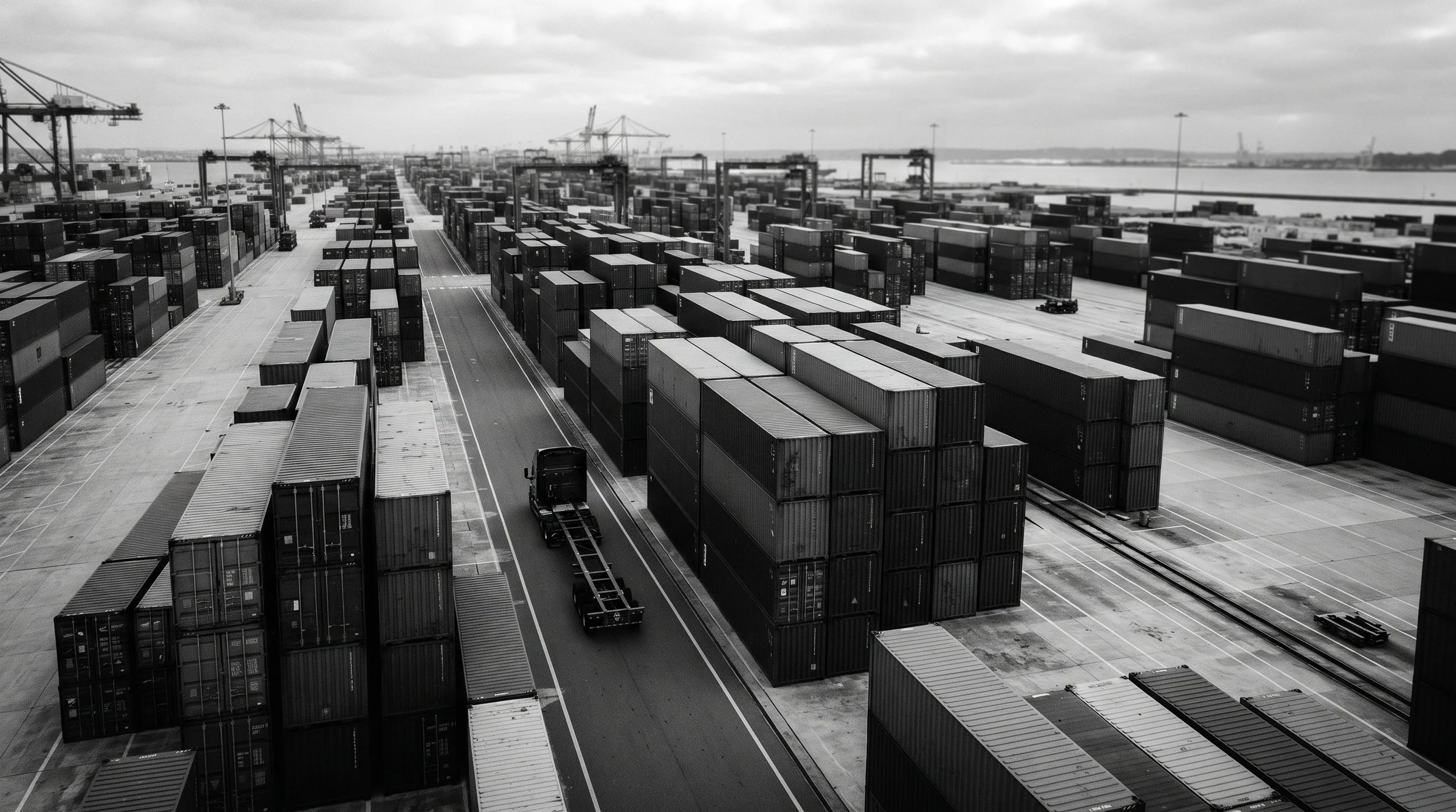
Trade finance protects a shipment, supply chain finance frees the working capital around it
Trade finance reduces the risks of international trade; supply chain finance optimizes the working capital invested in supply chains. Payables finance, its best-known form, lets suppliers sell buyer-approved invoices at a cost aligned with the buyer's credit risk.