
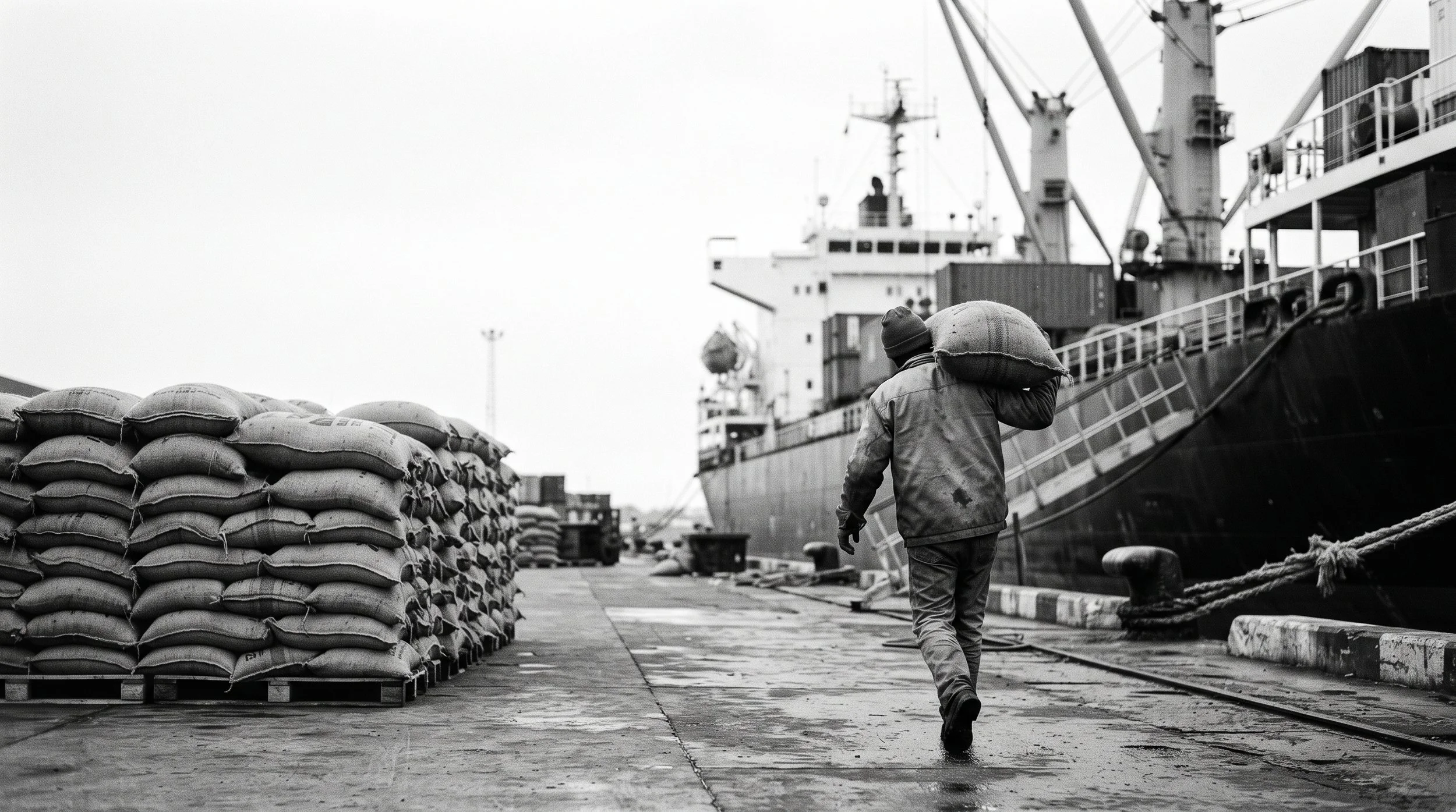
South and Central America runs a US surplus on $214,935.4 million of 2025 exports, while Mexico runs a deficit
US goods exports to South and Central America were $214,935.4 million in 2025, a US surplus of $51,731.3 million, while Mexico ran a US deficit. EXIM buyer credit and USDA GSM-102 help Latin American buyers pay over time.
US imports from India reached $103,776.3 million in 2025, and an additional 25 percent duty came and went within six months
US goods imports from India were $103,776.3 million in 2025, against exports to India of $45,354.3 million. An additional 25 percent US duty applied from August 27, 2025 and was removed from February 7, 2026.
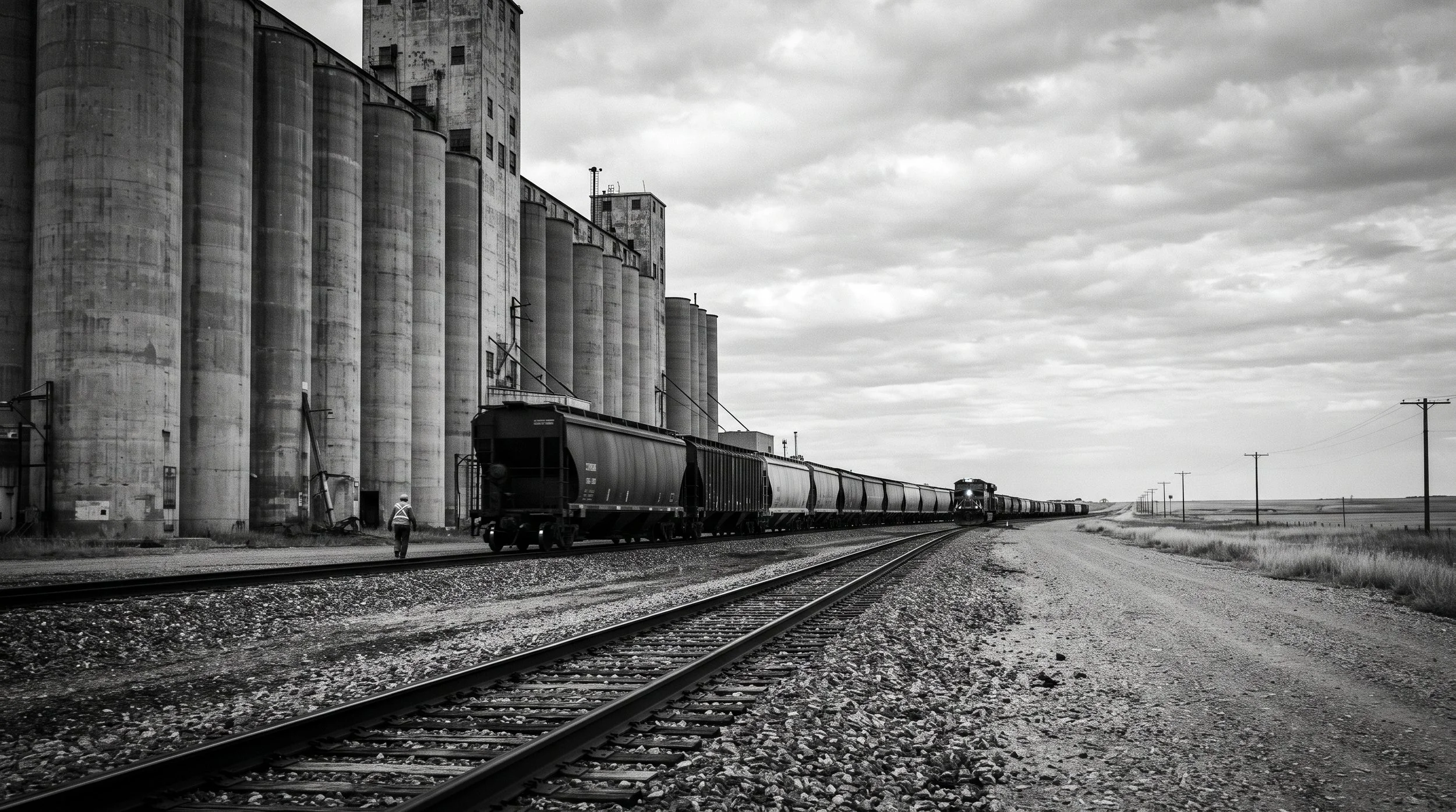
US farm exports reached $171 billion in 2025, and the crop in storage is the collateral that finances trade
US agricultural exports totaled $171 billion in 2025. Much of this trade is financed against the crop itself, through warehouse receipts, pre-export finance and GSM-102 guaranteed letters of credit.
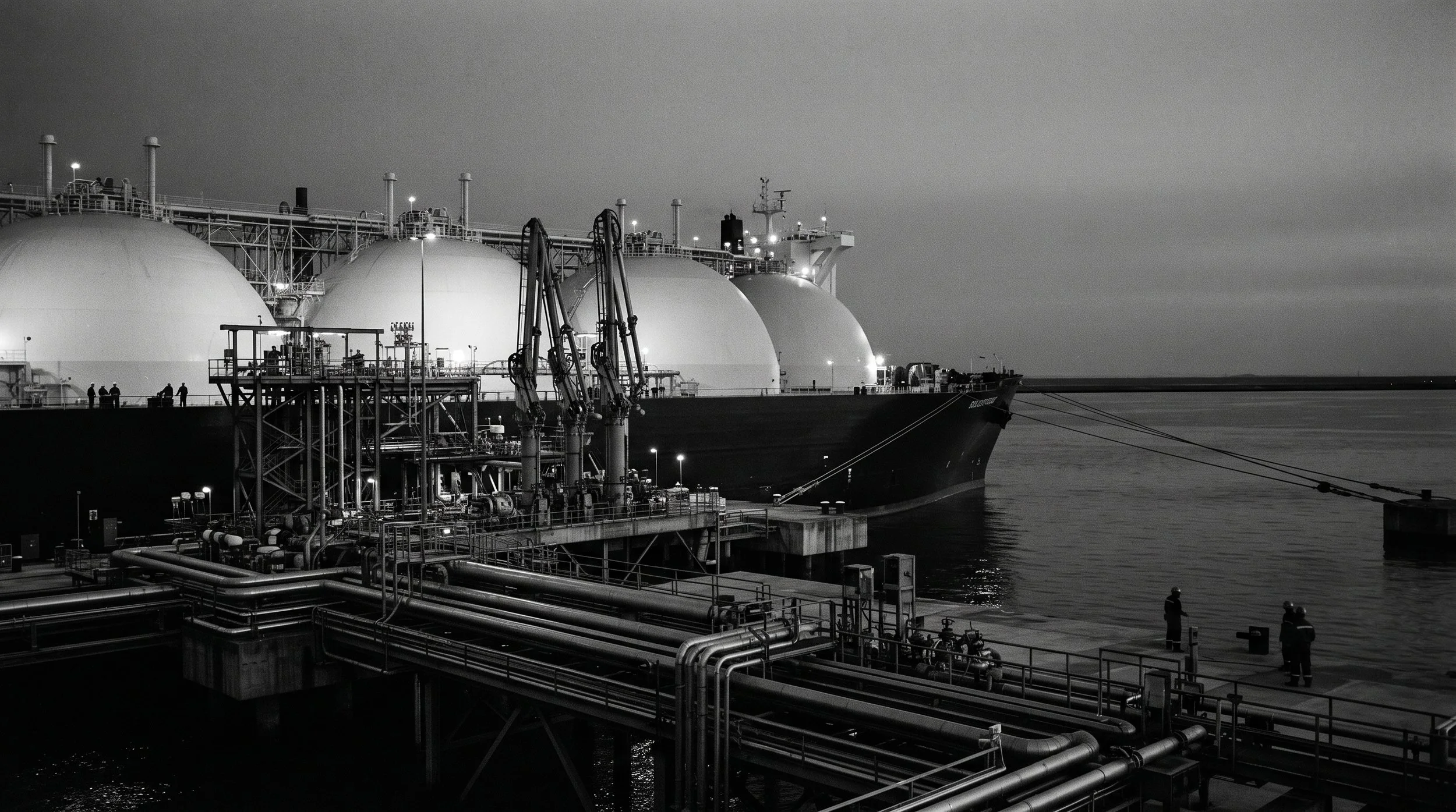
LNG trade hit a record in 2025, and each cargo is priced, shipped and paid as its own financed transaction
Global LNG trade reached a record 56.3 Bcf/d in 2025. US buyers generally take cargoes free on board, paying a liquefaction fee plus feedgas, and each cargo invoice is then paid through its own route, such as a letter of credit or open account backed by a standby.
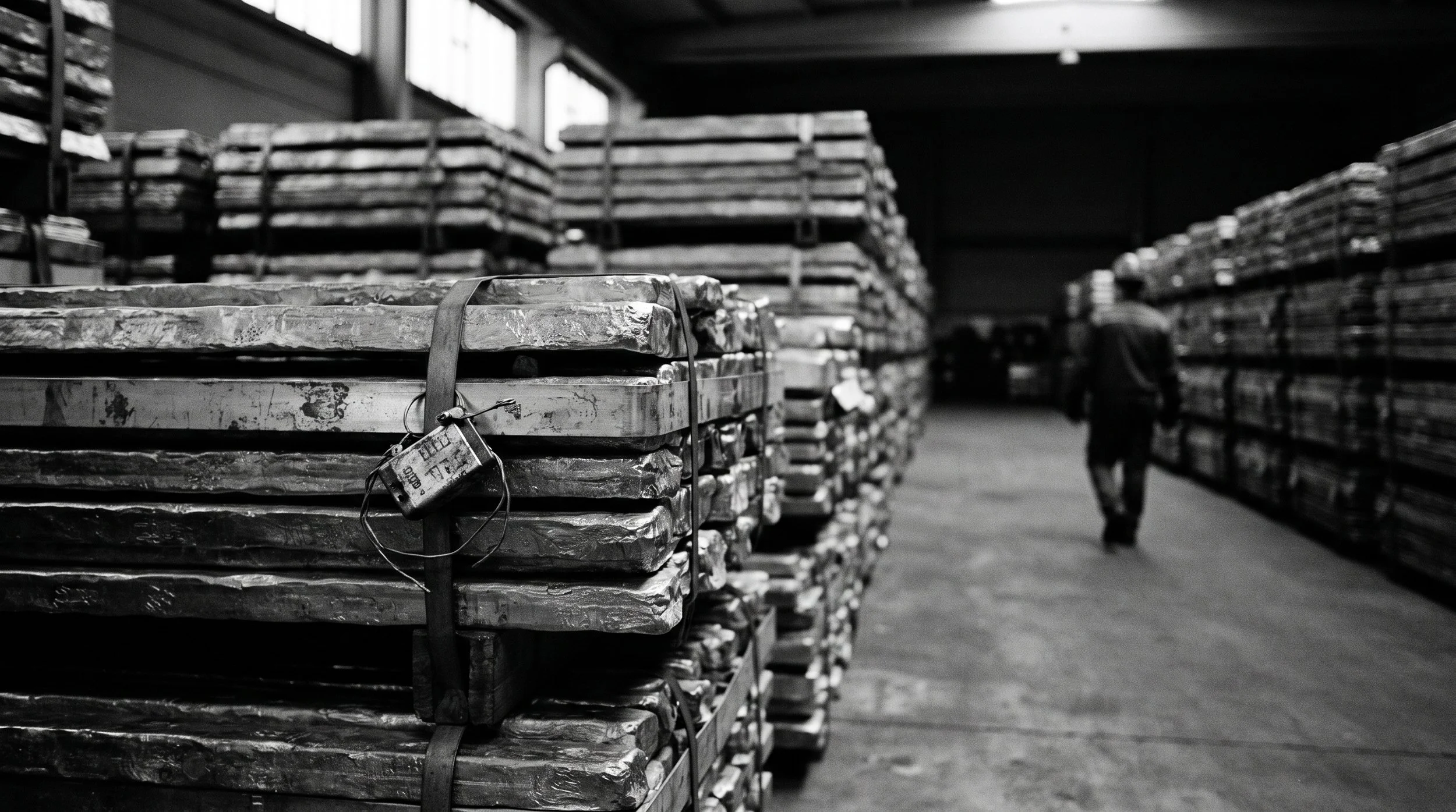
Structured commodity finance lends against the goods and their sale, so the structure carries the credit
Structured commodity finance is short-term finance for exchange-traded commodities, repaid from the sale of the goods. Providers advance less than market value, take security through warehouse receipts and monitor the goods.
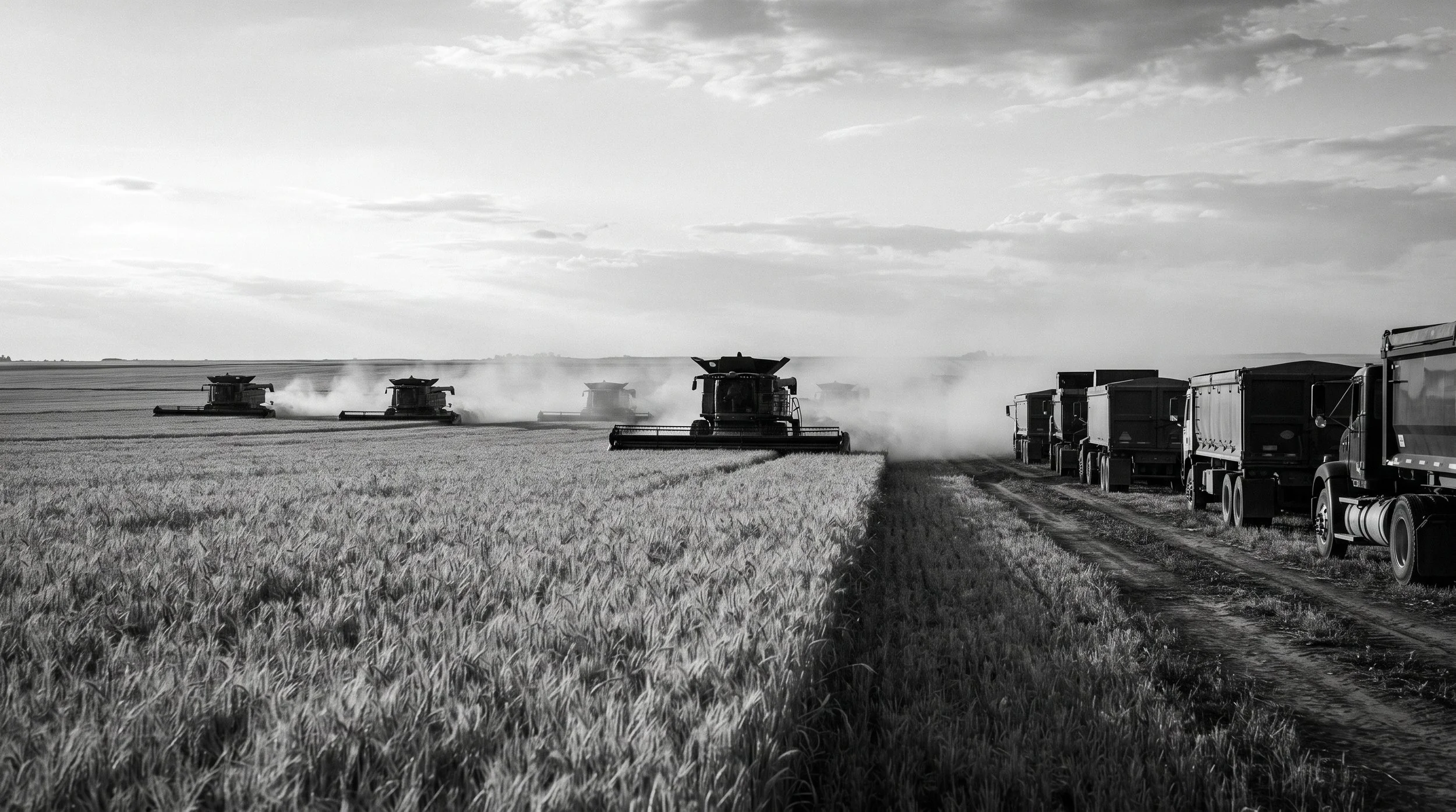
Seasonal trade packs a year's funding need into a few months, so the facility has to peak with the harvest
Harvests set when an exporter's cash goes out and when it comes back. US soybean exports have historically peaked September to December. Pre-export, warehouse and yearly renewed facilities are built to rise and fall with that curve.

Trade finance shortens the cash cycle by funding receivables, inventory or payables one term at a time
Working capital stays tied up for the length of the cash conversion cycle. Factoring, inventory finance, payables finance and export working capital finance each work on one part of that cycle to release cash.

Trade finance tenors run for weeks and months, and the tenor sets both the cost and the risk window
Tenor is the time from the start of a trade finance deal to its maturity. A 2010 ICC-ADB study put average tenors for short-term products between 53 and 256 days. Interest builds up by the day, so cost scales with tenor.
The cash conversion cycle counts the days cash is tied up in trade, and each day has a financing cost
The cash conversion cycle counts the days cash is tied up in trade: days sales outstanding plus days inventory outstanding minus days payable outstanding. Every day in the cycle locks up a day of sales that has to be funded.

Every trade finance price is a rate for a number of days plus fees, and the currency sets the day count
A trade finance rate is a base rate for the tenor plus a margin for risk. The charge builds up for each day the money is out, over a year length set by the currency: Actual/360 for US dollars, Actual/365 for sterling. Fees come on top.

KYC in trade finance checks the counterparty, owners and goods, with ownership lines at 25 and 50 percent
Know your customer means identifying and verifying customers and their beneficial owners. US banks list every owner with 25 percent or more, and OFAC treats a company owned 50 percent or more by blocked persons as blocked.
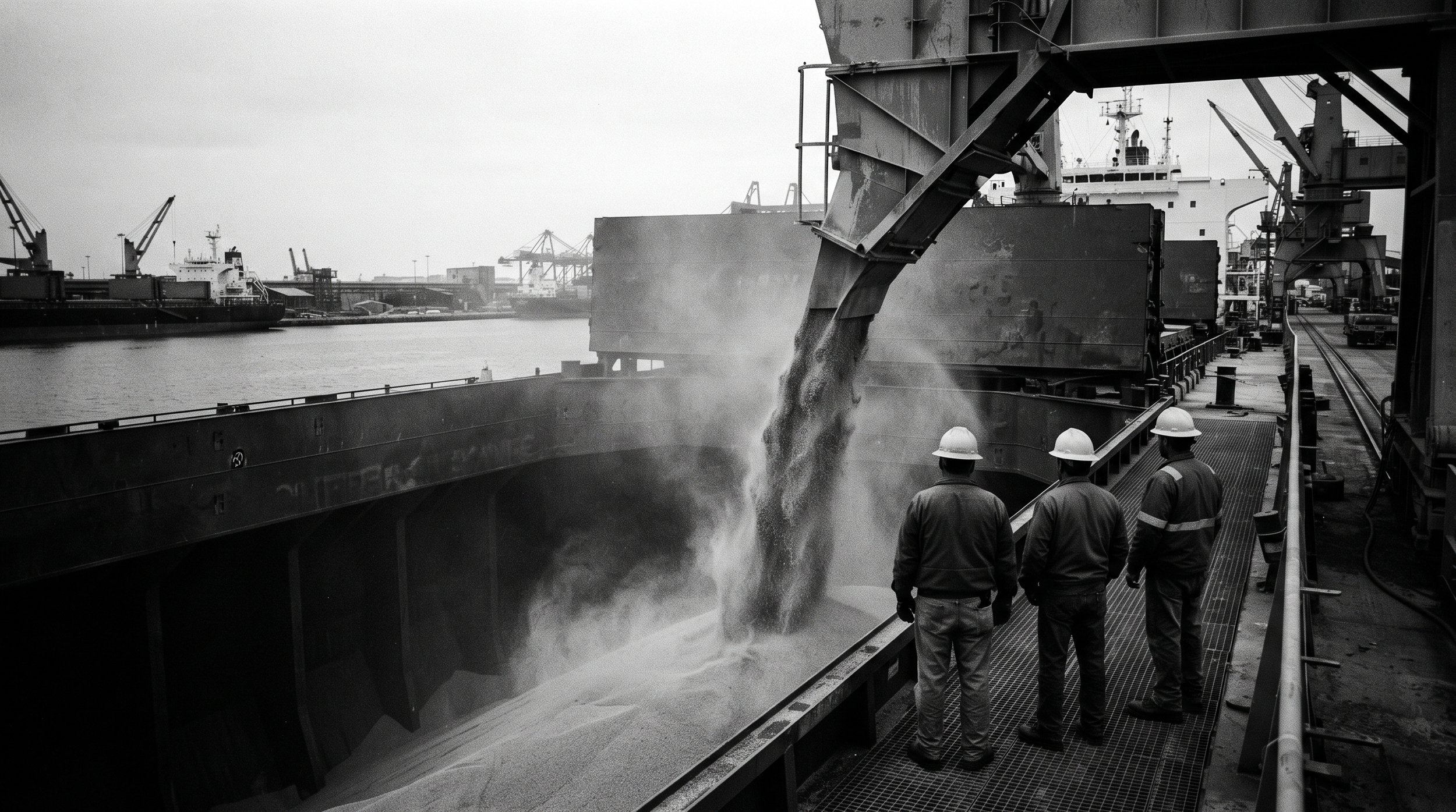
Title to a commodity cargo passes when the contract says so, and documents of title decide who can prove it
Incoterms rules do not say when title passes. The sale contract and the law decide it, and documents of title such as bills of lading and warehouse receipts let the holder claim, hold and pass on the goods.

Three risks decide whether an export gets paid, and Berne Union members paid over $11 billion in claims in 2025
Buyer risk is the chance an importer pays late or not at all. Country risk is the chance events in the buyer's country stop a payment. Performance risk is the chance one side does not deliver. Each has its own measure and its own cover.

Every trade runs on a short stack of documents, and under a letter of credit the bank pays against the paper
Shipping documents such as the commercial invoice, bill of lading, certificate of origin and insurance certificate let the importer take delivery. Under a letter of credit, banks check them against the credit, UCP 600 and ISBP within five banking days.

The bill of lading is receipt, contract and document of title, and an order bill's holder holds the cargo claim
A bill of lading is issued by a carrier as a receipt for goods. It is also a carriage contract and a document of title, and the holder of a negotiable, or order, bill holds the claim to the cargo.
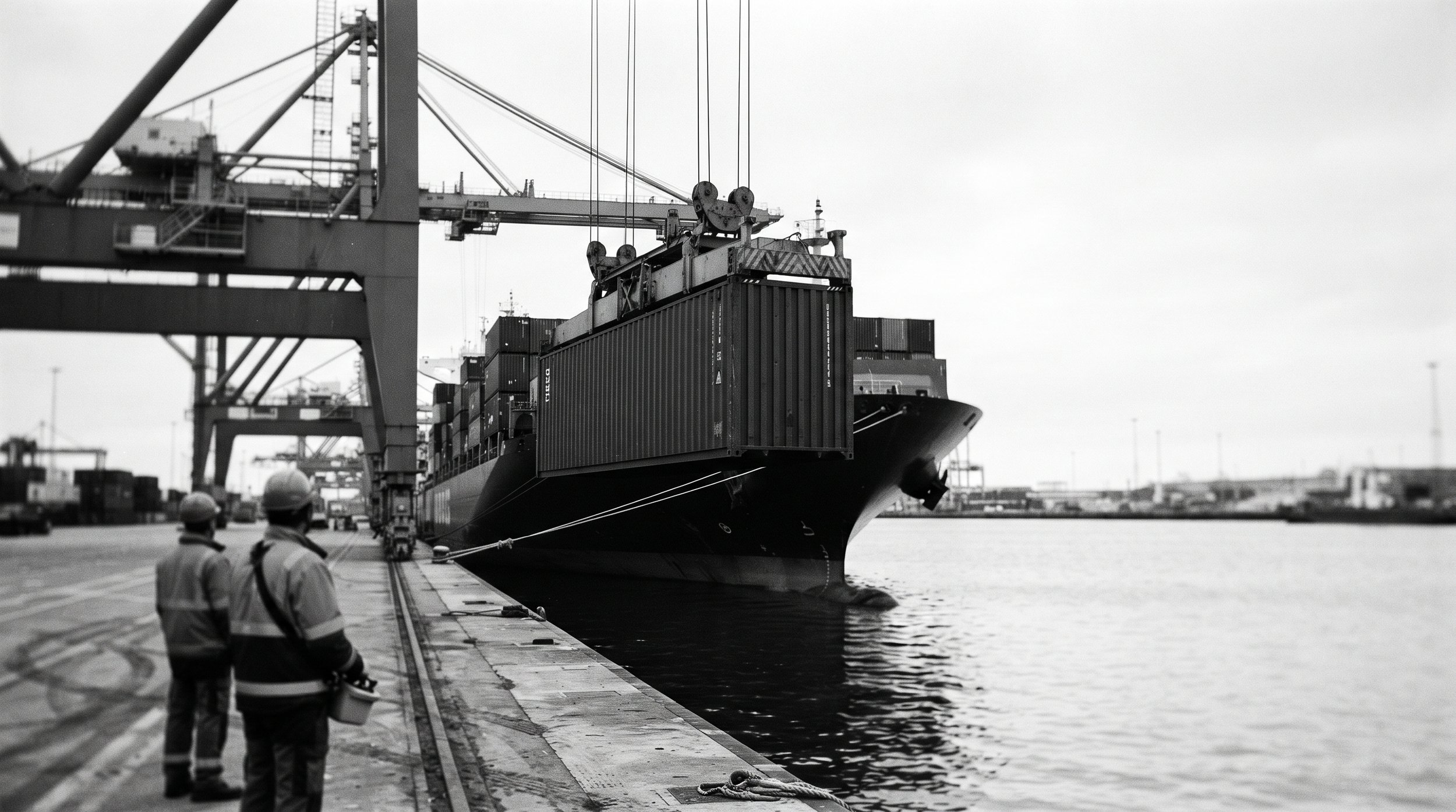
Incoterms fix where risk and cost pass to the buyer, and in the four C rules they pass at different places
Incoterms 2020 has eleven rules: seven for any type of transport and four for sea and inland waterway. Risk passes at delivery; in the C rules the seller also pays transport to the destination, though risk passed earlier.

A bill of exchange turns a trade debt into a signed, transferable claim, which courts treat as close to cash
A bill of exchange is an unconditional written order to pay, and a promissory note is an unconditional written promise to pay. Both can change hands and be discounted, and the English High Court has said bills are generally treated as cash.

Standby letters of credit and demand guarantees do the same job, differing mainly in rules and vocabulary
A standby letter of credit and a demand guarantee both pay the beneficiary on a complying demand after a default. Standbys usually follow ISP98 and demand guarantees URDG 758; the main differences are terminology and practice.

A documentary collection lets banks hold the documents until the buyer pays or accepts, with no bank promising to pay
In a documentary collection the seller's bank sends documents to the buyer's bank, which releases them against payment (D/P) or acceptance of a draft (D/A). No bank promises to pay.
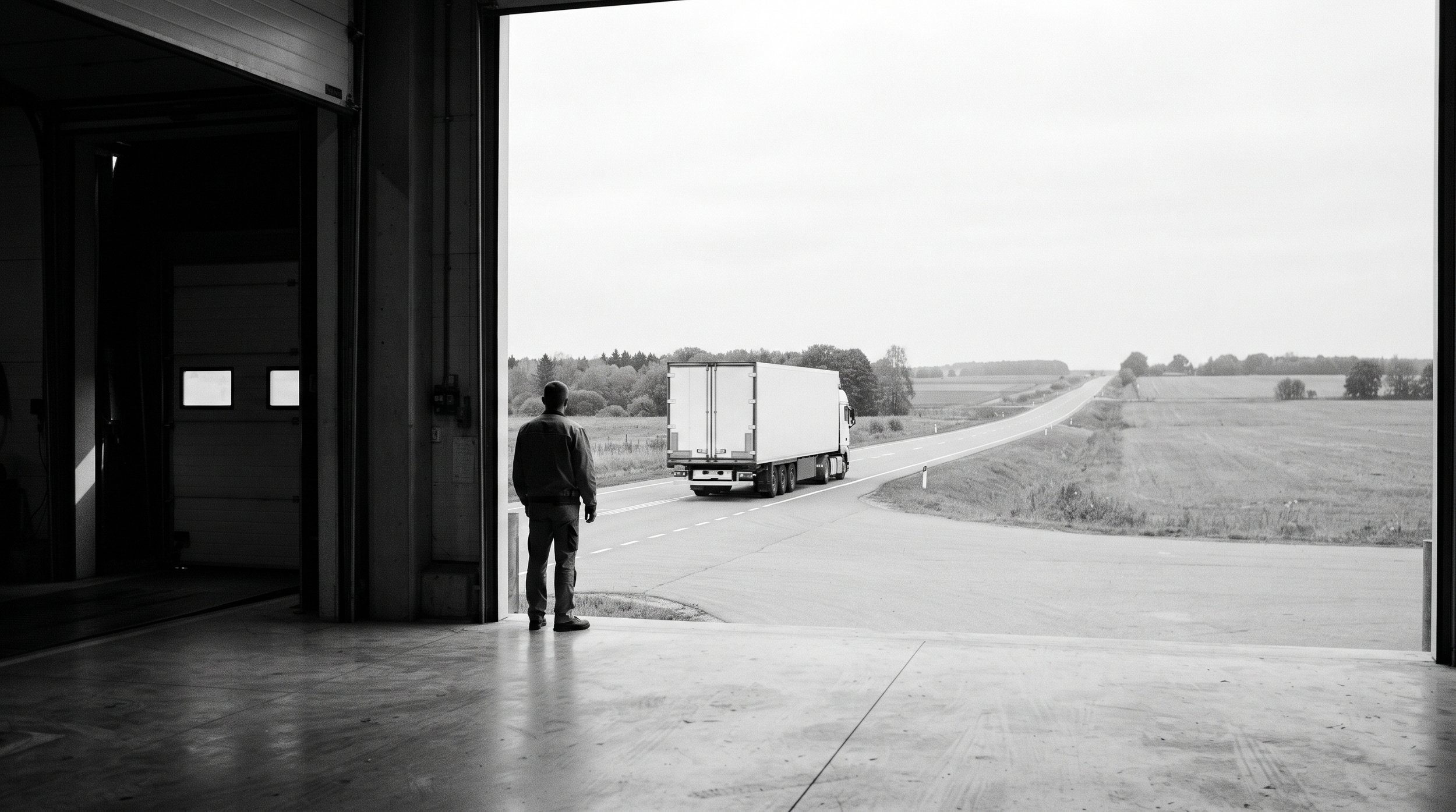
Open account ships the goods before the invoice is due, so the seller finances the buyer for 30 to 90 days
In an open account sale the goods ship before payment is due, typically in 30, 60 or 90 days. The seller carries the buyer's payment risk and can manage it with export credit insurance, a standby letter of credit or receivables finance.